Monday, 11 December 2017
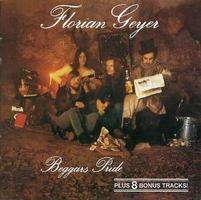
Florian Geyer - Beggar's Pride (1976)
The one and only album from this German band.
Florian Geyer was a trio with a lineup of guitars, bass, drums and English vocals.
This album was originally released on LP back in 1976 as a thirty-five minutes and six songs long album. That LP is out of print and as rare as a pink penguin in the middle of Berlin.
So what people get is the Garden Of Delights CD which includes eight bonus tracks. That CD is seventy-four minutes long.
My review though is of the original 1976 album. The bonus material does not add any quality to this album whatsoever.
The music on this album is a mix of hard rock, glam rock and psychedelic rock. In short; krautrock. Mostly because this band is from Germany.
The guitars and the vocals drives this album forwards. The songs are a bit on the naive side with some simple melody lines. And frankly, the sound is pretty bad on the original album and even worse on the bonus tracks which is not reviewed here.
There is a very good reason why this band and this album is very obscure: This album is pretty awful throughout. Some decent songs and details saves it from being a turkey. But it is close and I am very happy to put this album in the very back of my record collection.
1.5 points
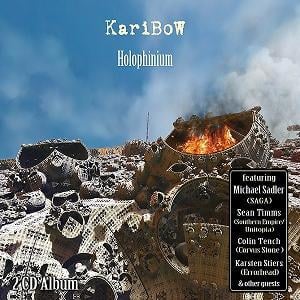
Karibow - Holophinium (2016)
The eight album from this German band.
Karibow is a band lead by Oliver Rusing from Germany who did drums, vocals, guitars and keyboards. He had help from eight musicians here who provided keyboards, bass, guitars, mandolin and vocals. Both lead and backup vocals.
Among these musicians, Michael Sadler (Saga), Sean Timms (Unitopia) and Colin Tench is the most prominent ones. My guess is that they recorded their bits in their respective countries and emailed the files over to the studio where everything was collected and mixed together.
I reviewed Karibow's sixth album some weeks ago and found a good album. See my review here. Oliver Rusing played every instrument on that album and that is the difference between that album and Holophinium.
There is a lot more power and oomph in Holophinium. We are still talking German neo-prog here. Pretty standard German neo-prog too.
There is a lot of vocals and guitars harmonies here. The vocals is very good and the musicians does their best. Their best on a beast of a double album, a double CD. Ninety minutes of neo-prog is what we get here.
The quality is overall good. But there is no sparks and no explosions here. The music trundles away in a respectable manner. Which is what this album is. Respectable.
3 points
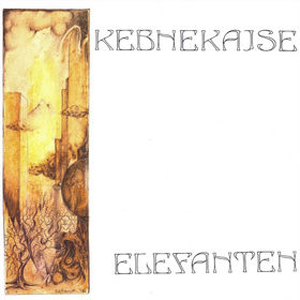
Kebnekaise - Elefanten (1977)
The fifth album from this Swedish band.
Kebnekaise was a sextet on this album with a lineup of guitars, bass, drums, congas, timbales, mandolin and violin.
I have earlier this year reviewed a couple of their albums in this blog. Back in May 2010, I also did a couple of reviews of their albums for ProgArchives. So I know this band pretty well.
A band who were basically a folk rock band, but who also branched out into world music, fusion and hard rock. Kebnekaise was indeed a strange band.
Something the band proves on this album.
Take Camel and add Swedish folk music and some fusion to the mix. You will end up with something like this album. An album for some reasons I do not really understand is called Elefanten. In English, that means The Elephant. To my knowledge, elephants does not roam freely in the Swedish forests.
Swedish forests and the rural Swedish landscapes is what this album reminds me about. Not Africa and the vast savannahs down there.
The music is pretty technical with some strong rhythms and a lot of Camel vibes. It is not a good album. The quality is lacking in the tracks and I find this half an hour long album pretty dull. But check it out if you want.
2.5 points
Sunday, 10 December 2017
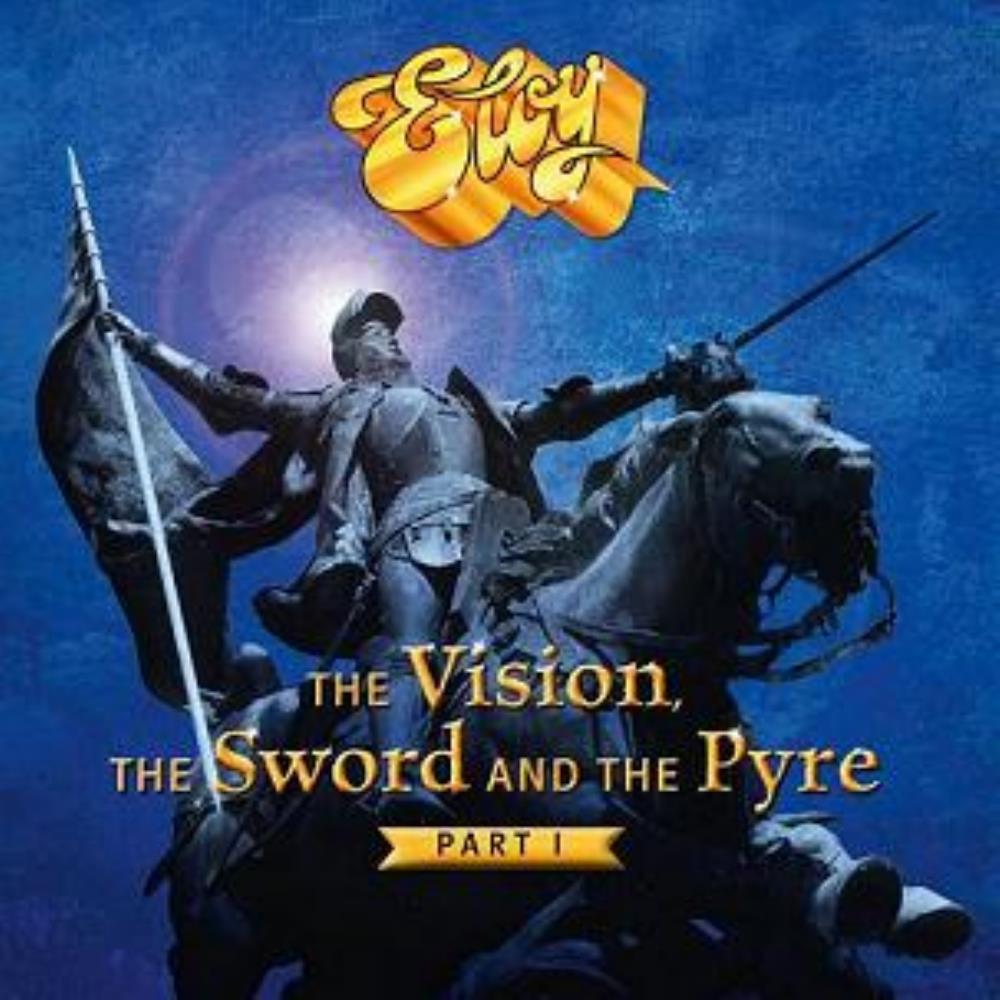
Eloy - The Vision the Sword and the Pyre # I (2017)
The 19th album from this German band.
Eloy was a quartet on this album with a lineup of guitars, keyboards, bass, drums and vocals.
A female voice provided spoken words and narrations.
Frank Borneman is back again with an idea he has been working on for the last 25 years. The two parts rock opera about Jeanne D'Arc. This is a French, indeed world wide heroine who saved France from the English invaders.
Between 2011 and 2015, I reviewed all the Eloy albums for both ProgArchives (two first albums) and # 1 of this blog. A very interesting journey, indeed. Not all their albums was any good. But some of their albums was very good and even great. I am a bit of a fan of this band, I guess.
Their 2009 album Visionary was a return to form. It was a return to the good old Eloy too. Something I very much welcomed and still welcome.
The Vision The Sword And The Pyre # 1 is very much a rock opera. But this is still on Eloy and Frank Borneman's terms and conditons. That means the music is a mix of psych and symphonic prog. A mix of krautrock and symphonic prog. That is indeed a good sound and a great type of music..
This album is very much in the spirit and sound of Eloy as I would like to regard and remember them. Even though rock opera is not my type of music.
The music on this one hour album is indeed good. Some of the music is overblown. But the overall quality is good. I am very much looking forward to # 2 and the final chapters of this rock opera.
3 points
Unitopia - Artificial (2010)
The third album from this Australian band.
Unitopia was a seven piece big band on this album with a lineup of guitars, mandolin, saxophones, bass, drums, bells and vocals.
They had help from three other musicians, including Ed Unitsky (who also did the artwork), who provided spoken words, flute and piccolo trumpet.
I have reviewed their first two albums earlier this winter and you can find these reviews here and here. I will bypass their fourth and final album as this is a cover versions album. The types of albums I find pretty meaningless.
Unitopia has on their previous two albums delivered some good neo-prog. Not great music, but still steady, good music.
The band continues down the neo-prog path on this album. They have expanded a bit to include large chunks of symphonic prog too in their music.
The album starts though with a big wink to The Beatles and my hopes went pretty high. The song Artificial World is a very good song. That song is a flash in the pan though. There are a lot of The Tangent influences throughout this album though.
The rest of this seventy minutes long album delivers some good neo-prog with very good vocals. Not all the songs are good. But this is still a respectable album though.
3 points
Saturday, 9 December 2017
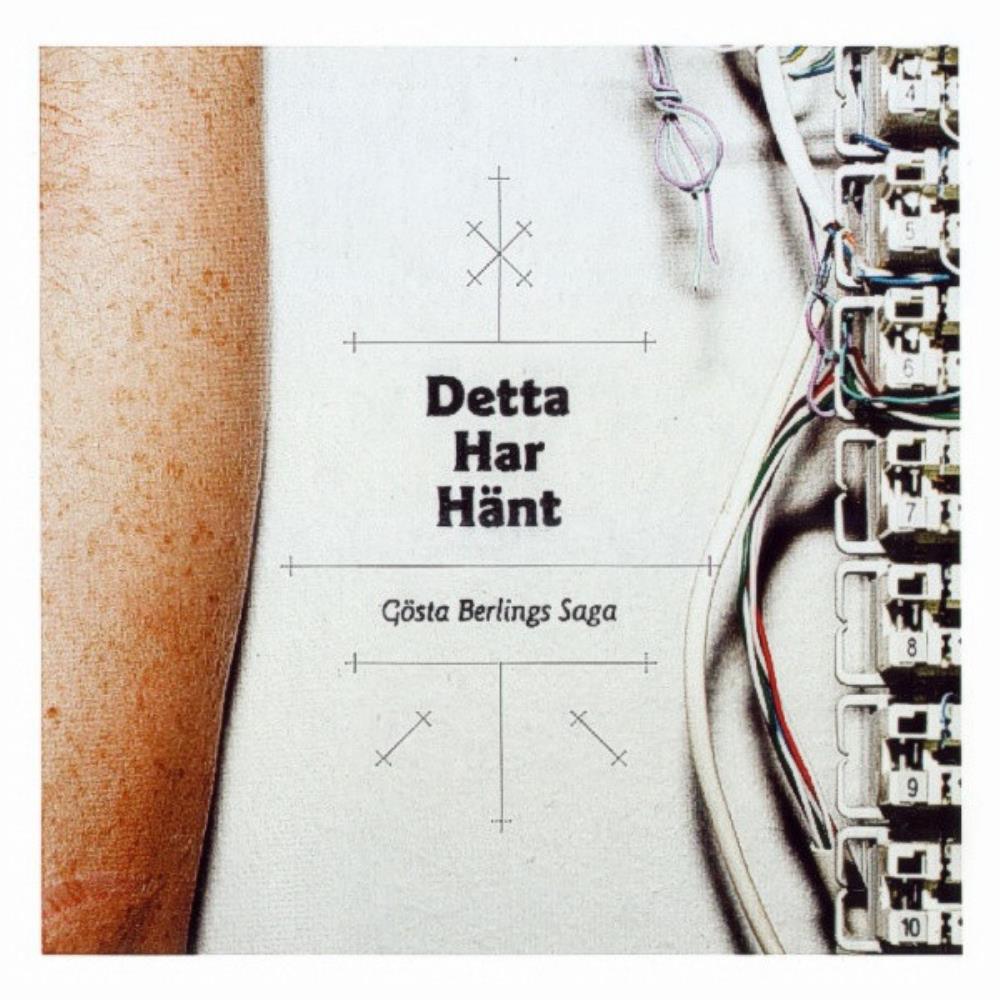
Gösta Berlings Saga - Detta Har Hänt (2009)
The second album from this Swedish band.
Gosta Berlings Saga was a quartet on this album with a lineup of Fender Rhodes, guitars, bass, percussion and drums.
The band had help from two other musicians (including Mattias Olson from Anglagard) who added loops, fx, moog, mellotron, piano, synths, bells and persephone.
I reviewed their debut album, the 2006 opus Tid Ar Ljud last month. It is a good album and you can read my review here.
The band delivers again some intricate, eclectic instrumental progressive rock. That is their trademark after all.
The music is based on Swedish folk music and symphonic prog. The band has taken this base and gone down the left path towards avant-garde and electronica. There is a pretty pointless, not so good piece of electronica midway through this album. A piece that breaks with the disharmonic harmony on this album.
Some parts of this album is drenched in Mellotron and Moog. Other parts is more guitars and bass dominated. I prefer the Mellotron parts.
This album is almost one hour long and it has some good, decent and very good pieces. I am not entirely won over because I find some of the stuff here not that interesting. But based on a total evaluation of this album, it is still a good album. Very eclectic, but good.
3 points
Itoiz - Itoiz (1978)
The debut album from this Spanish band.
Itoiz was a quintet with a lineup of bass, drums, flute, guitars, organ, synths, piano and Basque vocals.
The band comes from the Basque region of Spain. A region who has given us some good folk/prog rock bands.
I have previously reviewed their second and third albums. Reviews are here and here. I am now reviewing the four remaining Itoiz albums I have got sometimes this winter. I have in total their six first albums. But I have not got their final album.
Itoiz was a band who fused Basque folk music with symphonic prog in the vein of Genesis and Camel. That also goes for this forty minutes long album.
This album is a fine mix of folk rock and symphonic prog. The music is mostly acoustic with some good vocals on the top. Flutes and acoustic guitars are everywhere. There are also some electric guitars, piano and synths here.
The music is rather pastoral and not so bombastic. The overall quality is decent to good throughout. But I am still rating this as a good album because despite of the not so good songs, there are still a lot of interesting details. This album is by no means their best album. But it is still an interesting album.
3 points
Friday, 8 December 2017
Flaming Youth - Ark 2 (1969)
The one and only album from this British band.
The band was a quartet with a lineup of drums, bass, guitars, organ, piano, percussion and vocals.
Flaming Youth is mostly known as the band who started Phil Collins career. In his new biography from earlier this year, his time in Flaming Youth has been described to a great detail. This book (paperback/ebook) is well worth reading.
Flaming Youth was also quite a successful band in their own right. So much that Phil Collins got the spot in Genesis.
The music on this forty-four minutes long album has not survived the test of time, though. I doubt Phil Collins has been including some of these songs on his (highly successful) solo tours.
We are back in the naive flower power 1960s again where The Beatles was still the kings. Well, they are still the kings anno 2017 and forever. Flaming Youth was doing a mix of naive beat and psych rock. There were even a large degree of pop here.
The music is pretty big with some classical orchestrations throughout. The music sometimes, well, a lot of times reminds me about the crooners from the end of the 1950s. The music is very kind and soft.
There is no great songs here and there are hardly any good songs here either. I am even having problems labelling this album as a decent album. It is not a turkey though as it has some sporadic qualities. A weak decent rating is awarded.
2 points
Thursday, 7 December 2017
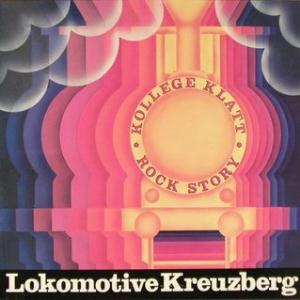
Lokomotive Kreuzberg - Kollege Klatt (1972)
The debut album from this German band.
The band was a quintet with a lineup of clavinet, violin, synths, bass, drums, guitars, harmonica and German vocals.
Krautrock is a very big genre which incorporates everything from spaced out space rock, electronica, hard rock, blues, folk rock, psych and more political rock.
The year was 1972 and Germany was split into two countries. East Germany, the Sovietunion client state and West Germany who was a normal European state with free elections and free speach.
Lokomotive Kreuzberg was a hard-left band who wanted communism. I am not sure if that mean Maoism or the Sovietunion version of communism. My guess is that they were Maoists. That was the more fashionable style of communism back then. Still is.
Lokomotive Kreuzberg released four studio albums before they split up. I have reviewed a couple of their albums here and here. A final review will be added before the end of this year/you will find another review of their albums somewhere else in this blog.
The band was a political band where the vocals was sometimes shouted out in a manner which gives me some very bad associations to events we all wish to forget. The lyrics means more than the music here. The lyrics are in German and I am not particular good in that language.
The music plays a secondary role here and it is a mix of funky rock and folk rock. The music is pretty bad too and this album is simply and plainly a turkey. Hence my verdict.
1 point
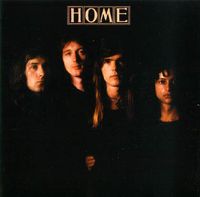
Home - Home (1972)
The second album from this British band.
Home was a quartet on this album with a lineup of steel guitar, guitars, bass, percussion, drums, keyboards and vocals.
The band released three albums before they split up. My review of their debut album can be found here. I will later this year review their final album/you will find a review of their final album somewhere else in this blog.
This band was one of many British folk rock bands who ventured into progressive rock for a short period. I guess they did that on their third and final album as I am not really able to detect much progressive rock on their first two albums.
Folk rock is the basis here. Another British band, Magna Carta, springs to mind as a reference. But Home gives us a lot more complex music than Magna Carta ever did.
The first four songs of this eight songs and forty minutes long album is pretty uncomplicated, but sweet folk rock. There is a great deal of rock feel in their music. More than folk music, in fact.
The band gradually, song by song, ventures into a much more complex soundscape at the end of this album. The music is also harder at the end and more edgy.
The end result is a decent album which will appeal a great deal to the folk rock crowd. I have my reservations....
2 points
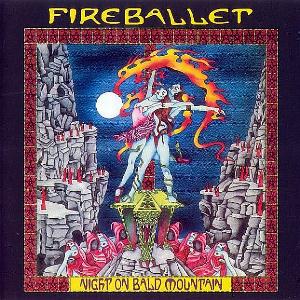
Fireballet - Night On Bald Mountain (1975)
The debut album from this US band.
Fireballet was a quintet with a lineup of mellotron, keyboards, bass, drums, guitars, piano, organ, percussions and vocals.
This band released two albums before they gave up the ghost. Their second album, the 1976 album Two, Too... is not regarded as a good album according to ProgArchives. So I am giving that a miss.
Their music on this album is in the good old classic symphonic prog genre. They sounds like a mix of Hackett era Genesis, Phillips era Genesis and Yes. Add in some Cathedral (US) and ELP influences too and you are pretty close to get this album.
There are two ten minutes plus opuses here. Les Cathedrales is the opening track and clocks in at just over ten minutes. The title track clocks in at almost nineteen minutes. Three shorter tracks completes this forty-two minutes long album.
The sound is the typical vintage symphonic prog sound. They are from USA and they have succesfully mixed that US sound with the UK sound. The sound is a bit weak, but it is still pretty good.
So is the songs too. The best ones are the two opuses. But the shorter songs are also good. The sound is the weakest link here. Nevertheless, this is a very good album which will appeal to everyone into symphonic prog.
3.5 points
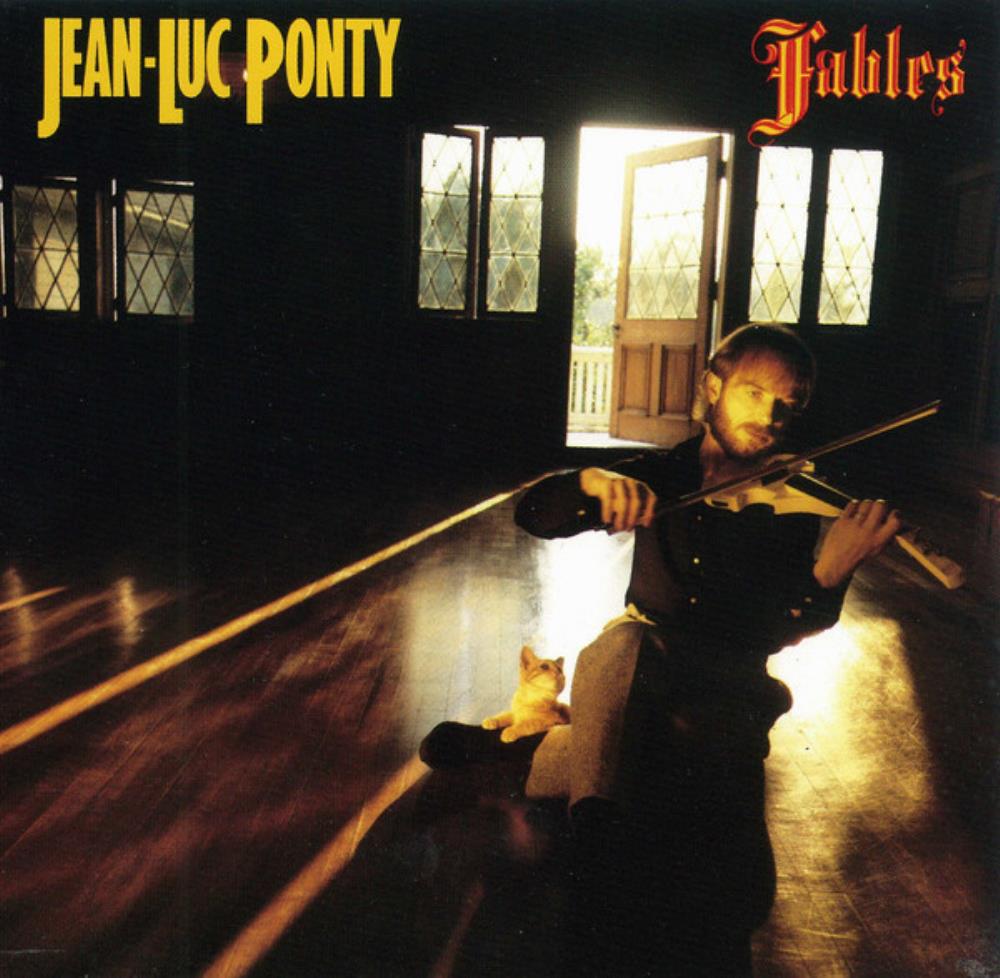
Ponty. Jean Luc - Fables (1985)
The 16th album from this French artist.
Jean Luc Ponty on violins, synclavier, synths and percussion was helped out by a trio who provided drums, bass and guitars.
His work kept a good to very good standard during the dark days of the 1980s. They were a bit stripped down when it comes to musicians and instruments. But they still offered up a lot of noise, sound and quality.
Everything is off course focused on Jean Luc Ponty's violins. That is why you buy and/or listens to one of his albums. But a Jean Luc Ponty is not a one trick pony.
The music on Fables is really described in the album title. Musical fable in the fusion land. Some of it is also crossing into progressive rock. In particular, symphonic progressive rock.
Some of the music on this half an hour long album is also leaning towards ambient music. That is not my favourite music, and that is an understatement, but Jean Luc Ponty also makes that work. A bit more intensity in the music would have been preferred.
This is still a good album though. Not as good as the previous albums, see reviews somewhere else in this blog, but still good enough to keep my interest. Where everyone else failed, Jean Luc Ponty was still going strong in the 1980s. Respect !!
3 points
Wednesday, 6 December 2017
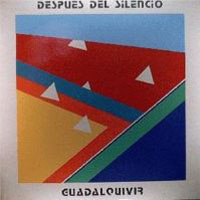
Guadalquivir - Despues Del Silencio (1984)
The third and final album from this Spanish band.
The band was a seven piece big band with a lineup of saxophone, flute, guitars, drums, bass, keyboards and piano.
Four guest musicians provided percussions and vocals.
Guadalquivir is one of those gems from the Spanish scene. Their first two albums gives us some of the best folk music inspired fusion in the scene. You can read my reviews here and here.
The band had taken a four years long break and the world was a lot less receptive to fusion in 1984 than in 1978 and 1980. The band's timing of their albums was unfortunate, but not their fault. These were the dark days of fusion and progressive rock.
Despues Del Silencio is a far more less folk rock inspired album than their previous two albums. There is a lot of saxophone here. The sound is a lot slicker too.
There is not much here on this forty minutes long album where you can say that this is music from a Spanish band. The fusion here is universal.
The music is medium intense and pretty good throughout. It is their least interesting album, but it is still a good album.
3 points
Tempio Delle Clessidre. Il - Il Lūdĕre (2017)
The third album from this Italian band.
Il Tempio Delle Clessidre is a quintet on this album with a lineup of guitars, keyboards, bass, percussions, drums and Italian vocals.
A guest musician adds flutes on one track.
Their 2010 self-titled debut album is still a masterpiece of Italian progressive rock (RPI). Their 2013 follow up album AlieNatura was a great album. So I was looking forwards to this album.
This band is one of the most active and popular bands in the post-millenium wave of Italian progressive rock (RPI) bands. And with good reasons. Their two first albums is some of the best albums in this genre.
The band is also very much following in the footsteps of PFM, Banco and Maxophone. The good old RPI tradition. That even on this album where Mattias Olsson from Anglagard has joined the band as a full-time member.
I am not sure this is the reason why this album don't really jumps out from the speakers as a fully blooded RPI album. There is some more Euro prog feel over this album than on previous albums. There is still enough RPI to make this a RPI album. But the band has developed....
The vocals is very good and the musicians does a good job on this one hour long symphonic RPI album. The songs here are not that great. The end result is a good album and a bit of a downer from this band. I am slightly disappointed.
3 points
Falstaff - Prononcez G (1981)
The one and only album from this French band.
Falstaff was a quartet with a lineup of drums, percussion, bass, guitars and keyboards.
Hardly anything is known about this band. This album was self-released and a proper DIY effort. It is not out on CD yet, but I guess Youtube may have a copy.
The track-titles are very Zeuhl like and my hopes went up despite of the very luke-warm reviews and ratings on ProgArchives.
Instrumental music is always a challenge as there are normally no focal point in the tracks.... or songs if you want.
The forty minutes long Prononcez G is no different. Keyboards over some bass which sometimes sounds harsh. The guitars are not particular lively on these forty minutes of symphonic prog with some strong jazz overtones.
I am not sure if this is symphonic prog or fusion. It is 50/50 of both genres. The sound is not particular good although I have heard a lot worse.
This album is not a turkey. It has some decent stuff throughout. It is barely a decent album which fails to light my fire. Check it out if you can find it.
2 points
Tuesday, 5 December 2017
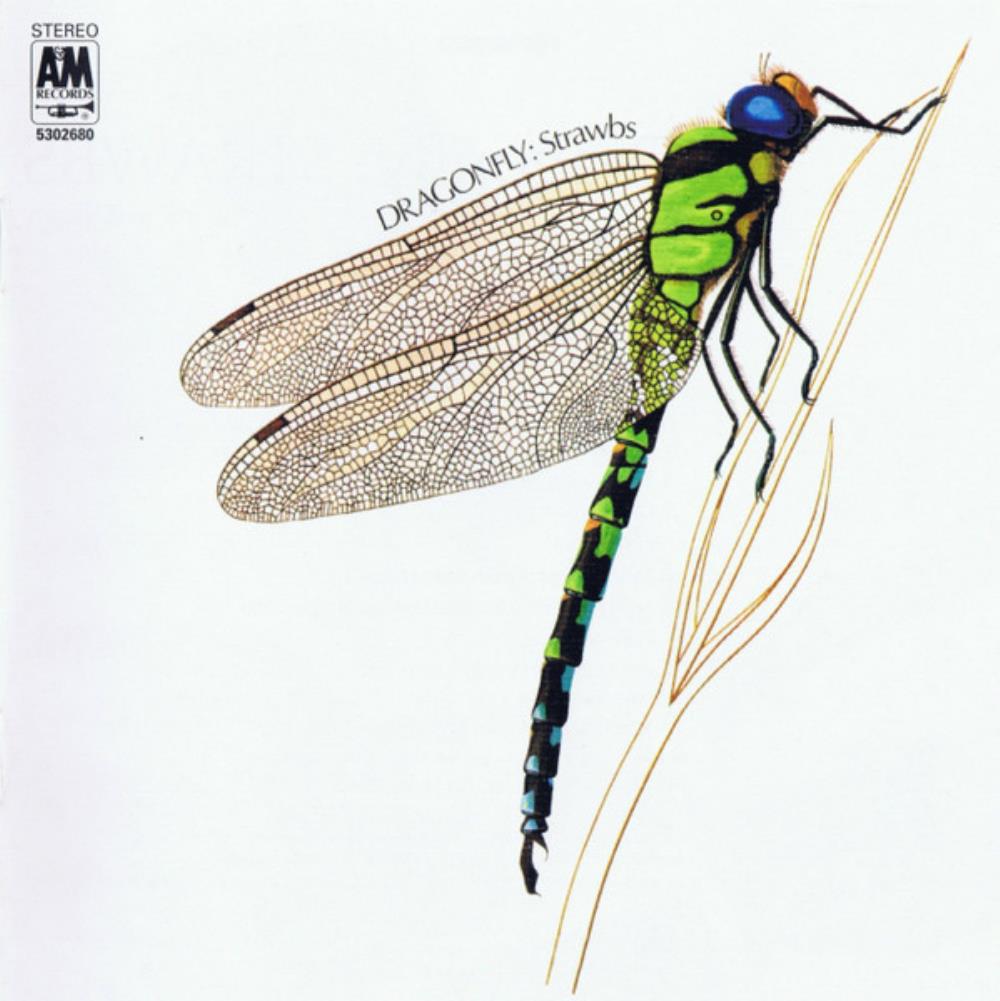
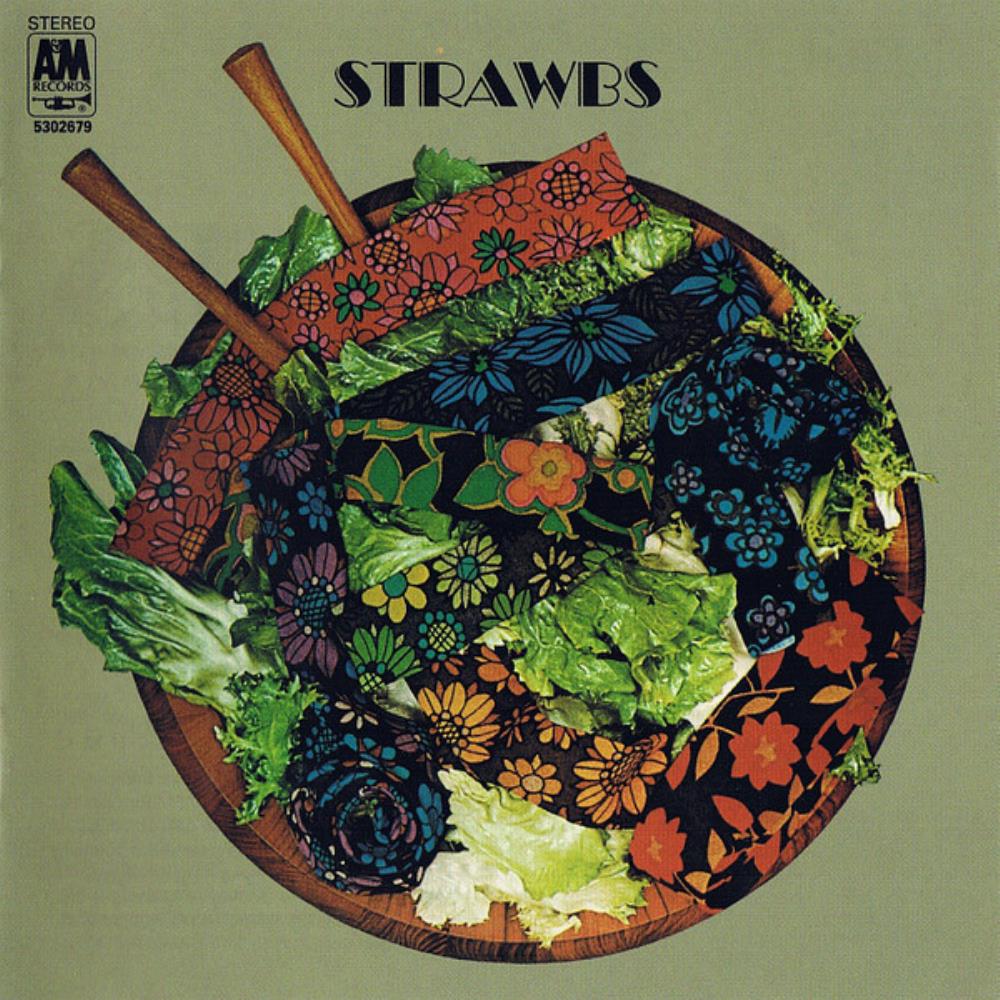
Strawbs - Dragonfly (1970)
The second album from this English band.
Strawbs was a quartet with a lineup of cello, double bass, guitars, tambourine, percussion, chinese keyboards, keyboards, dulcimer and vocals.
Four guest musicians, including Rick Wakeman and the producer Tony Visconti, added drums, recorder, organ and piano.
The band had been a bit start and stop. Two album was shelved and later released before their official debut album Strawbs was released in 1969. My review is here.
Strawbs is both one of the big folk rock bands and one of the bigger British bands. They have just released a new album which I will come to after reviewed some other Strawbs albums inbetween. I have also reviewed some Strawbs albums for ProgArchives many years ago. So I am running through the remaining ones this winter.
Dragonfly is regarded as one of the better folk rock albums from Great Britain. It certainly has a nice cover art-work and some nice songs.
This is folk rock though and there is no real The Battle like songs here which on the debut album pointed towards progressive rock. There is no real pointers towards progressive rock or any expansive music here.
What you will find here is thirty-six minutes of fine folk rock. David Cousins vocals is very good. The songs are not that very good. There are also some fillers here which leaves me cold.
This is a fine album which falls a bit short on the quality side of things.
2.5 points
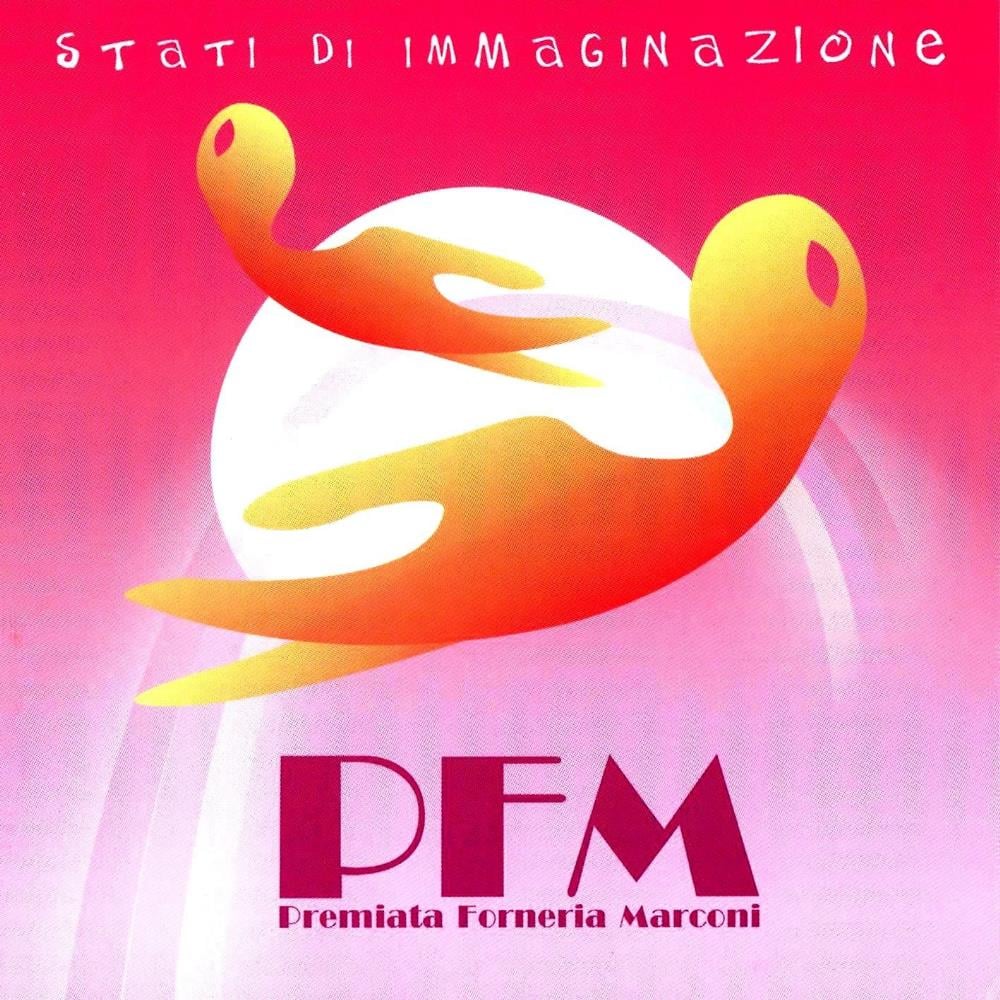
Premiata Forneria Marconi - Stati Di Immaginazione (2006)
The 17th album from this Italian band.
Premiata Forneria Marconi (PFM) was a trio on this album with a lineup of flute, bass, guitars, percussions and drums.
A couple of guest musicians provided moog, hammond organ, violins and keyboards.
The second of PFM's comeback albums and an album universally praised. Which does not mean a thing to me. But I note the good reviews this album has got in ProgArchives.
This album is entirely instrumental. Large parts of it reminds me about Camel. The yellow orange thing on the front cover reminds me about something flying through the air and gives me some Snow Goose associations.
Has PFM gone down the Snow Goose path Camel once staked out with this great album ? It almost feels like it.
The music is very gentle here and has a strong symphonic prog feel. There are some hints of jazz and fusion too.
The danger of following the Camel path is to make pieces of wishy-washy toothless music. Stati Di Immaginazione is pretty much a forty-six minutes long toothless piece of music with lots of everything but good songwriting. It is an improvement on their worst albums and just that.
This album and their Dracula album is on the same level. Decent to good in other words.
2.5 points
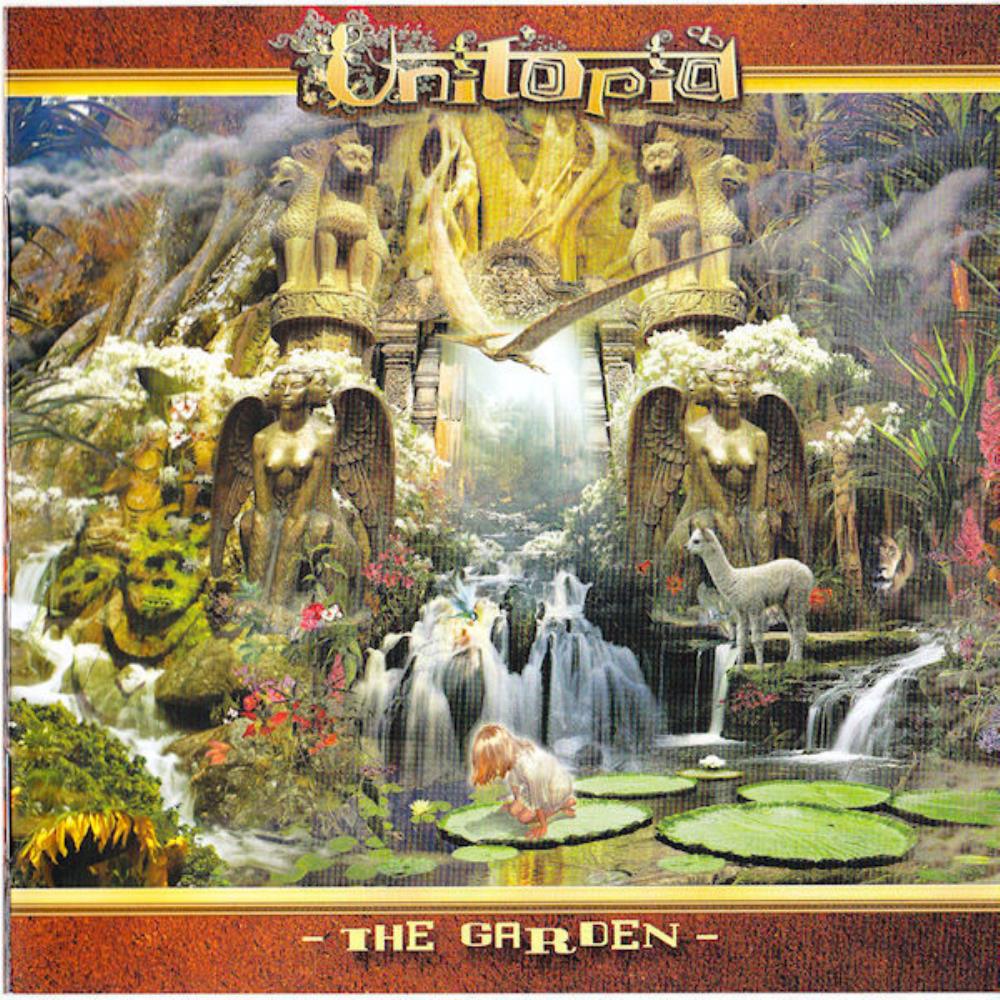
Unitopia - The Garden (2008)
The second album from this Australian band.
Unitopia was a sextet on this album with a lineup of gongs, bells, drums, percussion, bass, guitars, keyboards and vocals.
Four others contributed viola, violin, flutes, saxes, cello and xtra vocals.
The garden is a massive undertaking. A 2 CDs album, no less. It also comes three years after their good debut album More Than A Dream. You will find my review here.
I was actually listening a lot to The Garden when it was released. I am a loss to explain why I did not review it back then for ProgArchives. Maybe the 100 minutes plus of complex neo-prog scared me off.
Complex progressive rock with neo-prog as a basis is what we get here. The music has both more melodic songs and some rather complex songs. Overall, the music is complex and this is not an easy listening album. But this is not an avant-garde album by any means.
The vocals are very good. The other musicians also does their best. The sound is very good too.
There are some really good songs here and some not so good songs. The instrumental tracks here are a bit lacking in quality. Most important, there is no really great piece of music here. Music which would have elevated this album.
This is a by all means a good album. But it feels a bit unfulfilled and an album where the skills did not match the ambitions of the band.
3 points
Monday, 27 November 2017
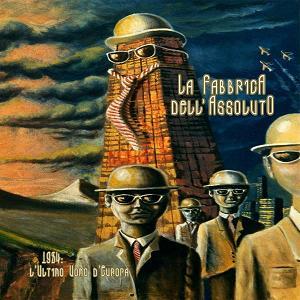
La Fabbrica dell'Assoluto - 1984 (2015)
The debut album from this Italian band.
The band is a quintet on this album with a lineup of guitars, bass, drums, keyboards and Italian vocals.
The band has also help from extra vocalists and saxophones. And some narration too.
The narration bit makes me believe this is a concept album about George Orwell's 1984. A dystopia written not so far away from where I am sitting now. And no, I have not read it.
Black Widow is the label and some sort of progressive rock is what we get here. Well, it is Italian symphonic prog. As simple as that.
This is clearly a conceptual piece of music who weaves itself along this 1984 theme.
There are some good keyboards work here which reminds me about PFM. Some of the guitars is pretty harsh and dissonant.
This album sounds like a rock opera at times with some pauses in the music at the end. It also has this grandeur opera feel too. The sound is a mix of the 1970s and today's day and age.
I am not entirely convinced about this almost one hour long album. There is not enough good melodies here to interest me. Hence my rating.
2.5 points
Saturday, 25 November 2017
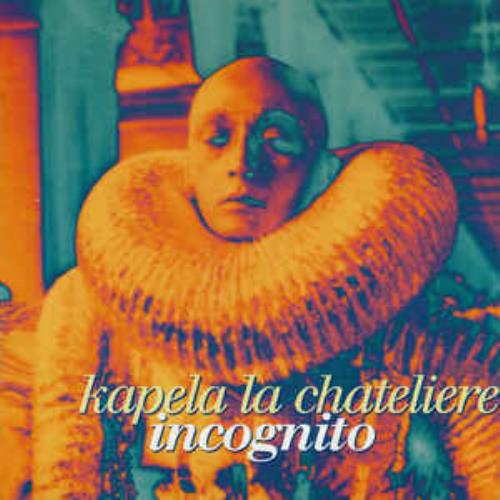
Kapela La Chatelier - Incognito (2001)
The second and final album from this Slovenian band.
The band were a quartet with a lineup of flute, saxophones, bass, drums, accordion, trombone, guitars, programming and wx7.
Their 1995 album De Profundis was a good album and it was reviewed in this blog one week ago. Read the review here.
It is a bit sad that the band were a bit ahead of the upsurge in avant-garde/RIO music in the last years. Their music would have found a lot of fans in today's scene.
The band is from the Balkan region and that is something pretty obvious from their music. There is a lot of Balkan jazz and klezmer in their music.
Their music is very much dominated by saxophones playing some really dense avant-garde popjazz. It is neither jazz or pop. It is totally out there in the avant-garde area.
A bit of a reference is Present from Belgium. Besides of that, I am a bit speachless when met with this forty-five minutes long album.
The music both melodic and harsh avant-garde'ish. A bit of a mixed bag. And I like what I hear. It certainly blows my brain free of any cobwebs. This is a good avant-garde album from a band who deserves a lot of attention.
3 points
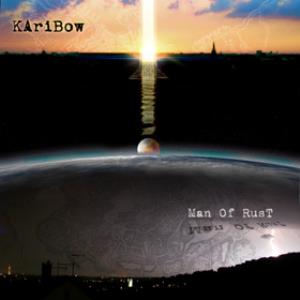
Karibow - Man of Rust (2011)
The sixth album from this German project.
Oliver Rusing is listed as playing everything on this album although I find that hard to believe. The lineup is drums, bass, guitars, keyboards, vocal harmonies and vocals.
This is my first meeting with this band although I have heard a lot about them. The band called Karibow is playing live all over Europe and there is one live track at the end of this album too. I am puzzled.... But OK.
Oliver Rusing is for me known from Last Thurion, a not so impressive German neo-prog band whose albums I reviewed years ago for # 1 of this blog.
The music on Man Of Rust is the typical German neo-prog. Emotional and a bit dark music with the usual neo-prog fare.
Karibow has lined themselves closer up towards pop and rock than symphonic prog. There are some more than hints of stadium rock anno 2010 on this album. Commercial rock in other words with some strong choruses and vocal harmonies. Not to mention vocals.
This is not excactly my favourite brand of neo-prog. But there is no denying that this is a good album who deserve a lot of respect and a lot of sales too. I would not mind seeing this band live somewhere in Europe.
3 points
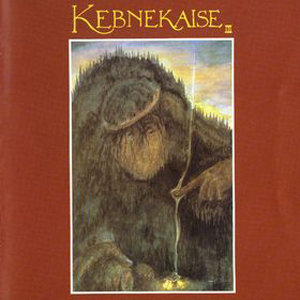
Kebnekaise - Kebnekaise III (1975)
The third album from this Swedish band.
Kebnekaise was an eight piece big band on this album with a lineup of mandoline, violin, bass, drums, guitars, sambaros, harmonica, congas, tamburine, bells, percussion and vocals.
I have previously reviewed their debut album for this blogg and a couple of other albums for ProgArchives. You will find my review of their debut album here. I am now reviewing the remaining Kebnekaise albums in this blog/you will find other Kebnekaise album reviews somewhere else in this blog.
Kebnekaise was a Swedish prog band who were everywhere. From Swedish folk rock to African folk rock to fusion and rock. A strange band. But also an influential band well worth checking out if you are into the likes of Kaipa and The Flower Kings.
This album takes Kebnekaise into folk rock. Swedish folk rock. There is lots of violins here and the music, mostly instrumental music, is based on Swedish folk music. This again was the Swedish popular music 100 years ago or so. It also forms the base of what Kaipa and The Flower Kings later did.
The music is far too much Swedish folk music to really being good. The whole half an hour of this album. It is a decent album with some value for those who likes Swedish music. But to give it a Decent rating is perhaps being to kind. But check it out for yourself.
2 points
Friday, 24 November 2017
Violeta de Outono - Em Toda Parte (2008)
The second album from this band from Brazil.
The band was a quintet with a lineup of guitars, bass, drums and Portoguese vocals.
I reviewed their self-titled debut album for ProgArchives many years ago and I have also reviewed an album for # 1 of this blog. I am now until the end of the year reviewing the remaining Violeta De Outono albums/you can find other Violeta De Outono reviews somewhere else in this blog.
Violeta De Outono was a psych prog band with some hints of Porcupine Tree throughout.
Em Toda Parte is a very much stripped down album with a lot of post-punk influences. It has guitars, a pulsating bass, a steady drum beat and some vocals. That is that.
Naked it is.
There are still some space rock and some local Brazilian influences here. But not many of the latter. The space rock influences is pretty obvious and at time, rampant.
The vocals are pretty good. The music is not the most exciting or good I have heard from this band. It is a bit of a let down, this album.
Nevertheless, it is a decent album which does not really fully represent this band.
2 points
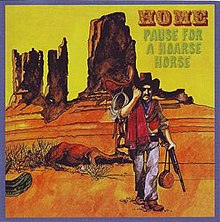
Home - Pause for a Hoarse Horse (1971)
The debut album from this British band.
Home was a sextet on this album with a lineup of bass, drums, guitars, violin, keyboards and vocals.
Home released three albums before they were disbanded. Reviews of their two final albums will follow before the end of this year/you can read my reviews of their final two albums somewhere else in this blog.
Home was the first band of the bassist Cliff Williams who later made a substantial career in the hard blues/metal band AC/CD. He retired from that band last year.
The album title Pause For A Hoarse Horse is typical British humour. Nobody else would give an album that title....
The music on Pause For A Hoarse Horse is rock with a lot of folk rock and country'n'western. There is a lot of guitars and keyboards here with some violin, vocal harmonies and lead vocals too.
The music is not that good. It is not good at all. But this forty-four minutes long album has some good stuff. The title track being the good stuff.
This is a decent album from a decent band. It is worth checking out.
2 points
Thursday, 23 November 2017
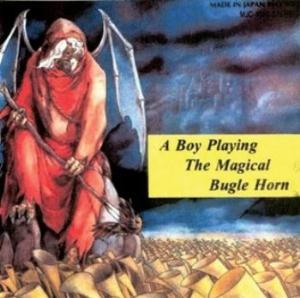
Outer Limits - A Boy Playing The Magical Bugle Horn (1986)
The second album from this Japanese band.
Outer Limits is a quintet on this album with a lineup of violins, keyboards, guitars, bass, drums and vocals.
Some guest musicians has provided cello, violins and xtra vocals.
I reviewed their debut album, the 1985 album Misty Moon, ten days ago and really liked that one. Read my review here.
I immediate went onto some listening sessions of the one I am now reviewing and found that a challenge.
A Boy Playing The Magical Bugle Horn is a massive complex album with different layers. All of it in a different culture from mine too. The Japanese culture.
This forty-three minutes long album is what I believe is a concept album. A symphonic prog concept album. Yes, someone did that in 1985. Outer Limits may have been the only band releasing a symphonic prog concept album in 1985.
The music is pretty massive and very operatic at times. And the Japanese heritage and culture shines through every minute of this album. There is a lot of ELP and Yes here too. But this band has created their own soundscape and musical world.
The vocals is good and ditto for the violins and the keyboards. Those two instruments are dominating this operatic landscape together with the vocals. The music still feels organic and not at all forced or false plastic fantastic.
The result is a good album everyone into symphonic prog must check out. And that just for the challenge of it.
It is also a good album from a band which deserve a lot of respect. It is probably the best symphonic prog band from Japan.
3 points
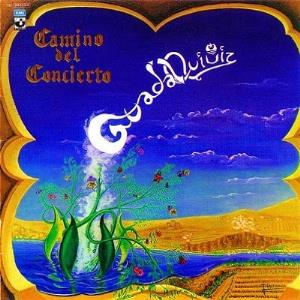
Guadalquivir - Camino Del Concierto (1980)
The second album from this Spanish band.
The band was a sextet with a lineup of saxophone, flute, guitars, drums, keyboards and bass.
A guest musician provides synths.
I really liked their 1978 self-titled debut album a lot. It is indeed a very good album and you can read my review here.
The band returned again two years later and released this album. The art-work is very good and I would not mind having this LP as a piece of art.
The music are again Spanish folk music inspired fusion. In this case, a lot more fusion than folk rock.
There are some flamenco here and some other Spanish folk dancing rhythms. Nevertheless, the music is pretty slick fusion.
There are some Al De Meola like guitars here, some nice saxophone solos and some nice keyboards work here.
The music is very nice, but also a bit toothless at times. A bit more bite and some better tracks on this forty-two minutes long album would have been great.... litterary speaking.
It is hard to fault an album like this too as this is a really good fusion album. And that from a band I really rate highly.
3 points
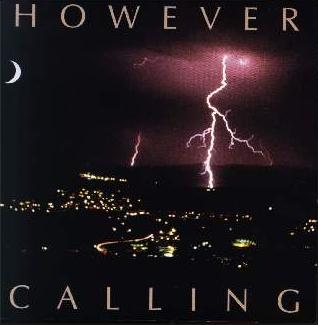
However - Calling (1985)
The second and final album from this US band.
The band was a sextet with a lineup of guitars, bass, drums, woodwinds, percussions, synths, piano, bells, keyboards and vocals. Both male and female vocals.
The band also had help from numerous other musicians who added moog, violin, cello and vocals.
Please note that this is a review of the 1985 album and not the two re-releases of this album.
I reviewed their 1981 debut album Sudden Dusk one week ago and was not that impressed. My review is here.
So I was not exactly full of hope when approaching this album despite of the excellent reviews it has got in ProgArchives. It is rated as a Great album there and as a classic masterpiece. Well..... with all respect.
The album starts with a female vocals lead AOR track and my fears is being confirmed. Another AOR track confirms my fears.
The album takes a bit of a detour towards fusion and some jazzy vocals songs after that. And yes, we are revisiting AOR land again.
This album is a truly album of ideas and songs from various genres thrown together. All forty odd minutes of this album. The quality standard are decent but just that. I am not impressed at all by this album and band. Sorry......
2 points
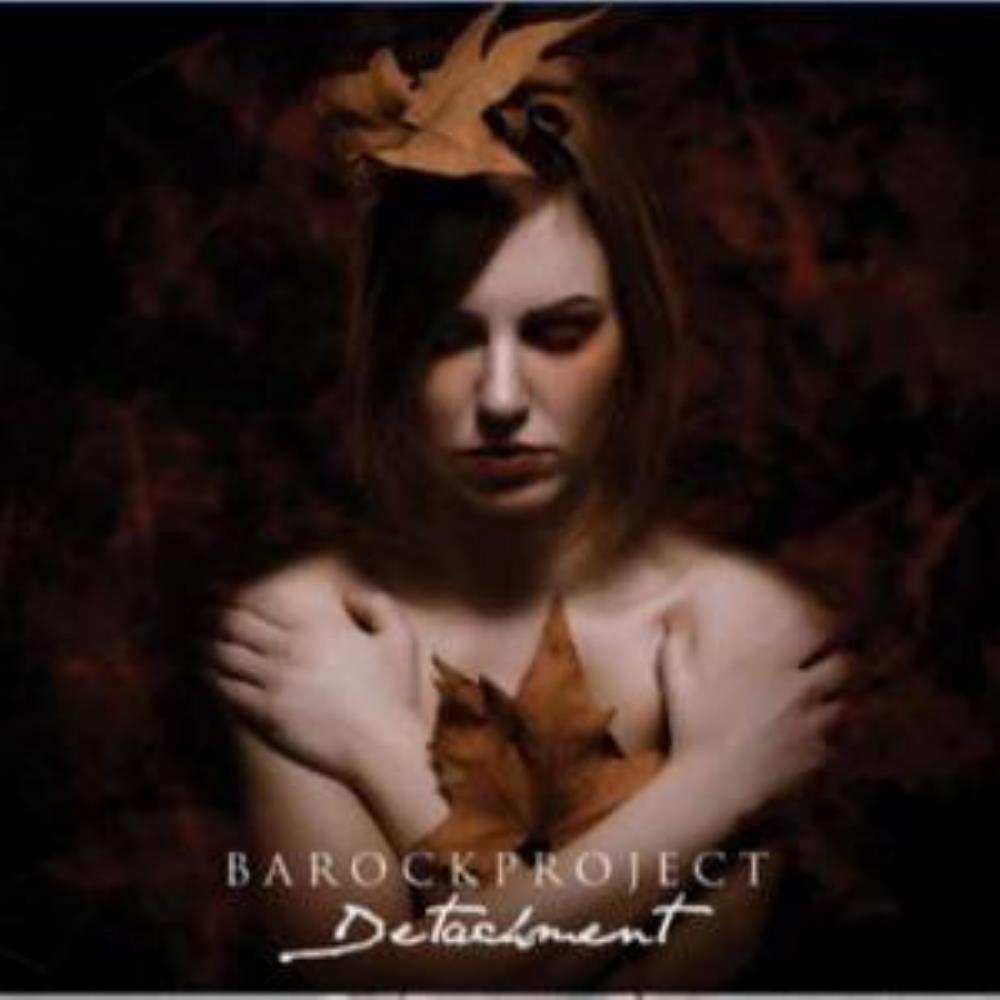
Barock Project - Detachment (2017)
The fifth album from this Italian band.
Barock Project was a quartet with a lineup of drums, bass, guitars, keyboards, percussion and vocals.
They had help from three other vocalists on this album too.
I have reviewed their previous four albums for # 1 of this blog and you will find my reviews and opinions about those albums there.
It is fair to say that I have enjoyed their previous four albums.
Barock Project does some pretty standard middle of the road neo-prog. The emphasis is on the good songs and some pretty OK details.
The music is not overly technical. But there is still enough skills and technical details to keep the music interesting. That even for a proghead like myself.
And the music is indeed progressive music. Seventy-five minutes divided on thirteen minutes. There is no epics and no songs longer than ten minutes here. But the band still get their music across to a proghead like myself. OK, the music is a tad too pop-rock. But it is still convincing music.
This is a good album bordering to a very good album. It is actually a very good album in my mind so I am upgrading it. Check out this album and everything else they have done too. Go to their gigs too.
3.5 points
Wednesday, 22 November 2017
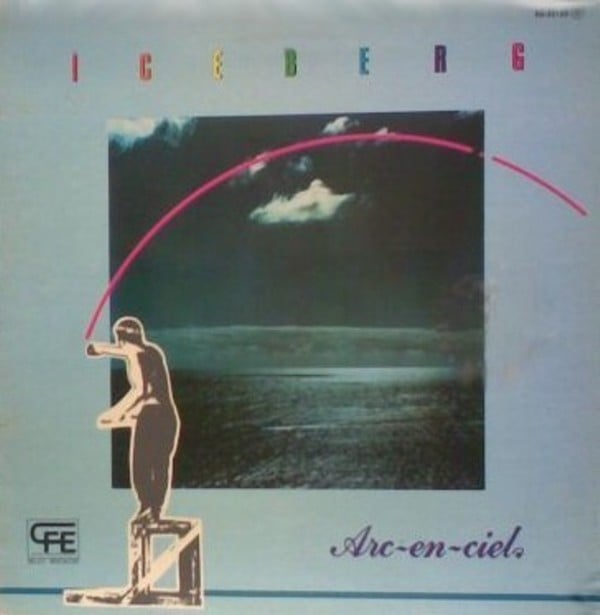
Iceberg - Arc-en-ciel (1979)
The fourth and final album from this Spanish band.
Iceberg was a quartet with a lineup of percussion, piano, drums, synths, guitars and bass.
I have earlier this month reviewed their debut album in this blog. You will find this review here.
Three years ago, I reviewed their second and third album for # 1 of this blog and you can find the reviews here and here.
The band has delivered good albums in the fusion genre. OK, their debut album was more a hard rock album, though.
The band continues on here from their third album Sentiments from 1977. Fusion in the vein of Return To Forever and Mahavishnu Orchestra. More the first band than the latter band.
There is a lot of strong guitar and synth solos here backed up by some strong bass and drums. The music is very groovy too throughout these forty minutes.
Some of the piano and synths reminds me about Chick Corea. And that is both an observation and a compliment.
The tempo is mid to fast tempo. It is very groovy, this music.
There is no great tracks here. But this is a solid, good album which will please anyone into fusion.
3 points
Tuesday, 21 November 2017
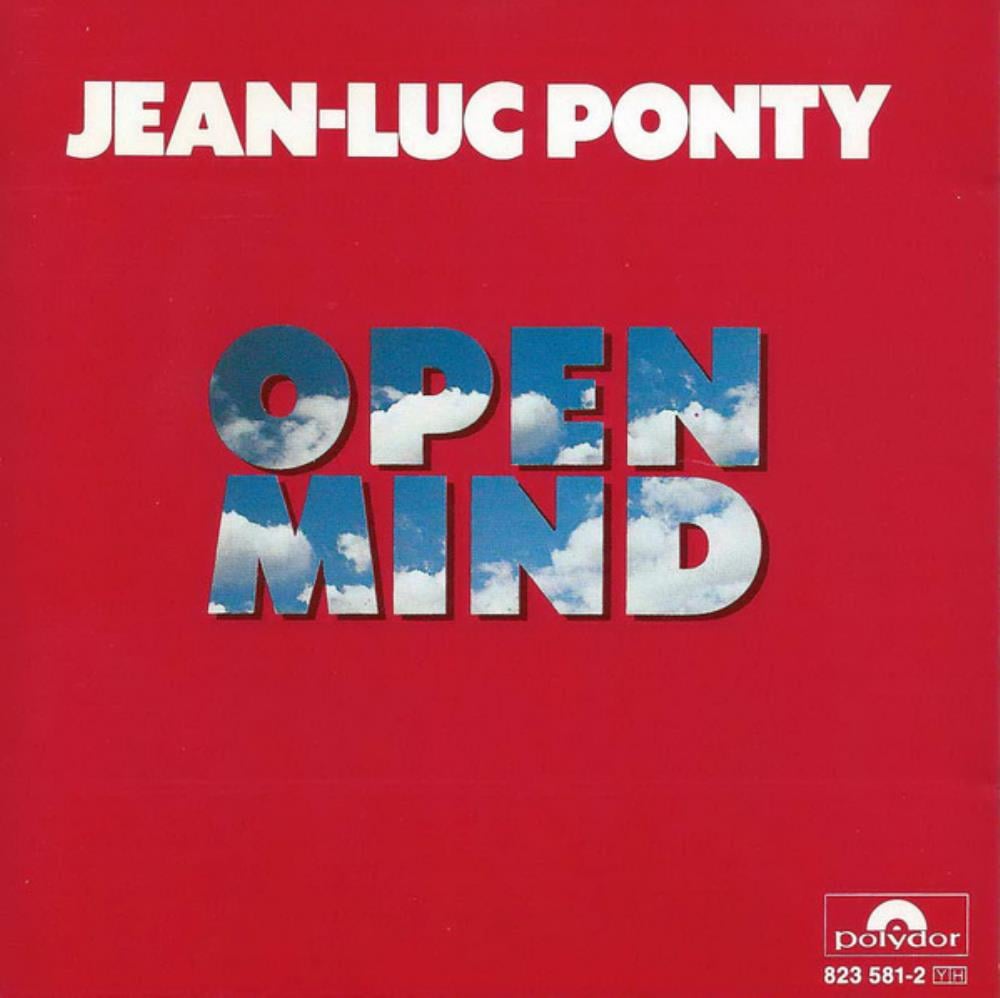
Ponty. Jean Luc - Open Mind (1984)
The 15th album from this French artist.
Jean Luc Ponty was on the violins again. He also played some piano and synths here.
He had help from a quartet including George Benson and Chick Corea. The lineup was guitar, drums, tabla and synths.
The artwork is very stripped down and I get the feeling that the music too is not going to be exactly flowery when I read the credits and the details on the CD. A very sparse setup, indeed.
Stripped down too, was my fears.
So we get one guitar solo from George Benson and two synths solos from Chick Corea. The rest is drums, no bass and lots of Jean Luc Ponty. That means Jean Luc Ponty on violins and synths.
Lots of violins, in fact. And that means the sound and this forty minutes long album is not as stripped down as I feared. It is just a proper solo album where Jean Luc Ponty is everywhere. He probably did the coffee and catering too.... He is the producer, at least.
Punk rock, this album is not. It is actually quite a flowery jazzy album with a lot of fusion and Latin-American influences. There is just one flower here and that is enough. The music is pretty groovy too and in the same vein as the albums preceding this album. Lots of violin solos on the top of a groove and a melody.
The end result is actually another good album from this maestro musician. It is a different album, but still a good album. I bow my head in the front of this maestro.
3 points
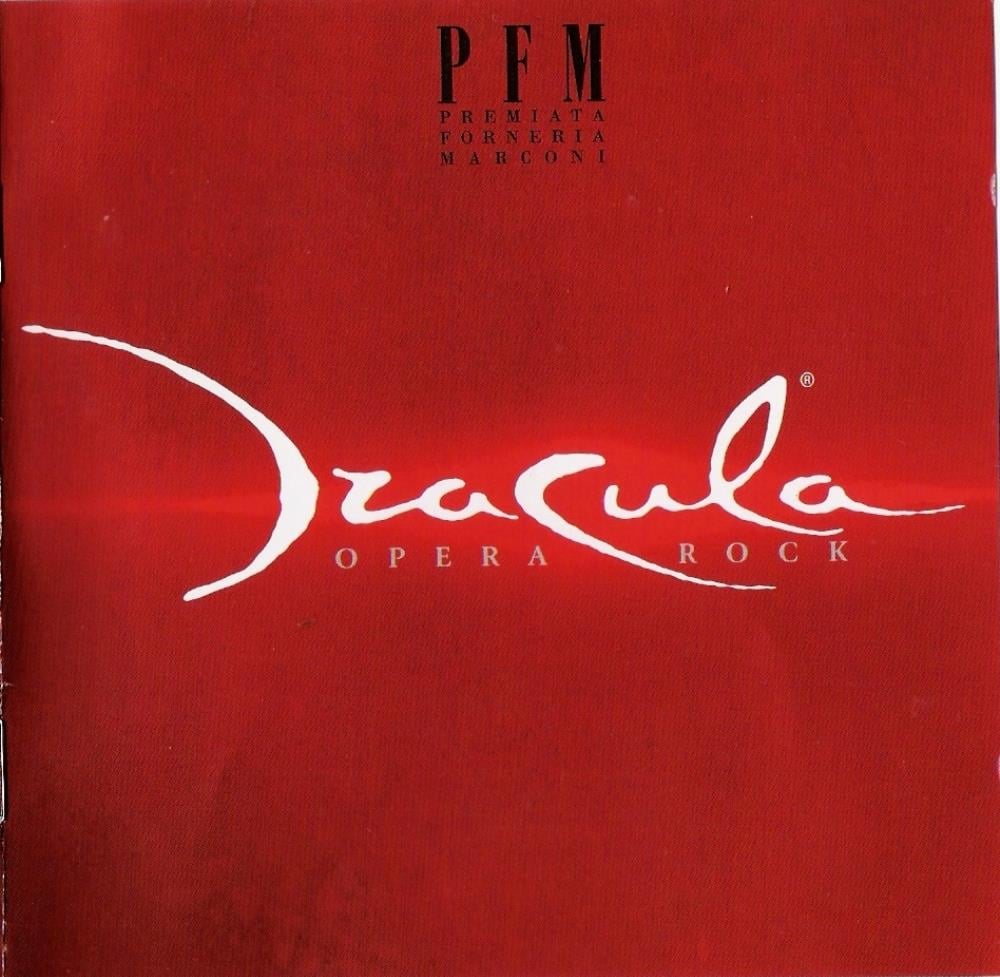
Premiata Forneria Marconi - Dracula Opera Rock (2005)
The 16th album from this band from Italy.
The band was a quartet here with a lineup of drums, percussions, bass, guitars, piano, synths, organ and Italian vocals.
They had help from The Bulgarian Symphony Orchestra, lead guitars and lots of opera singers and narrators.
This is indeed a rock opera. Which is probably the last piece in the Premiata Forneria Marconi jigzaw puzzle since the 1970s. They had been doing everything since the 1970s.
You will find my reviews of their albums somewhere else in this blog and in # 1 of this blog too. Reviewing their albums has been quite a journey and not always a good journey, I have to say.
So..... Dracula is a rock opera and to a large extent a return to the old ways and pastures. Green pastures, it has to be said.
Yes, rock operas with full symphony orchestras and opera singers is overblown and cringeworthy by default. But Premiata Forneria Marconi has largely pulled it of due to really dominating this opera themselves and not falling into the trap of taking a back seat or going totally over the top.
The songs are decent to good and there is a large degree of a band effort here. Yes, the music is a bit sickly sugary at times with lots of Italiano pop songs influences. That has never been far from this bands music anyway. Even in their heydays in the 1970s. But there are still a lot of quality here.
This is largely a comeback album and a bit of return to form. I am still not convinced this is a good album. Hence my rating of this album. A welcome album, btw.
2.5 points
Ultimate Spinach - Ultimate Spinach III (1969)
The third and final album from this US band.
The band was a sextet on this album with a lineup of guitars, bass, drums, piano, keyboards, harmonica and vocals. Both male and female vocals.
This album saw the third set of personell in three albums. Only the band founder and Barbara Hudson had survived these two massacres.
This time, the sextet was basically hired hands and studio musicians with no connections to the band and the idea behind it. As you gather from my reviews of their two previous albums, see here and here, the band was a psych band from Boston, the east coast who tried to challenge the psych bands from the west coast. They failed.
... Which sees them trying stadium and commercial rock on this, their third album. The last throw of the dice.
What follows is forty minutes of some US rock. There are a couple of psych rock songs here too and the general mood is psych rock.
Ultimate Spinach was a charming band who released three charming, decent albums. And this is a decent album from a band who did not conform to any rule or any genre. They are well worth checking out.
2 points
Monday, 20 November 2017
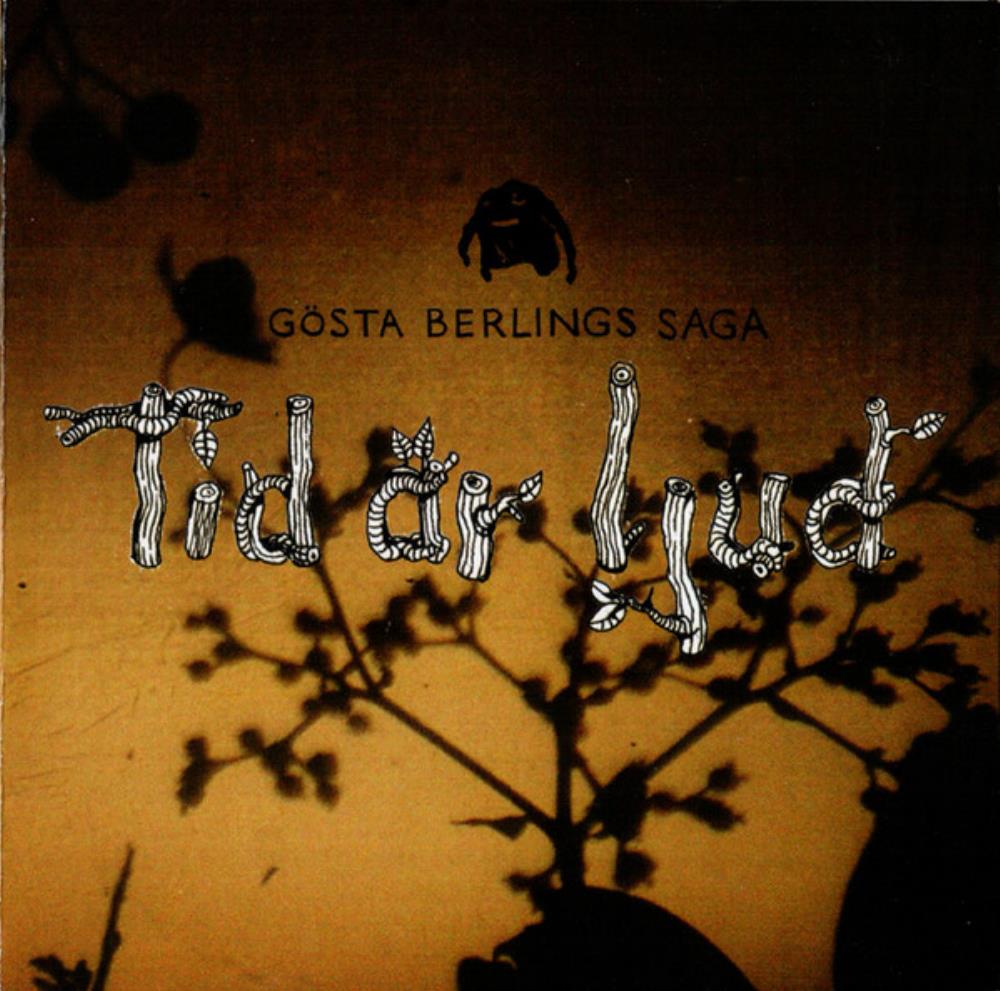
Gösta Berlings Saga - Tid Är Ljud (2006)
The debut album from this Swedish band.
The band was a quartet with a lineup of guitars, solina, mellotron, drums, percussion, fender rhodes, bass and finger cymbals.
Some guest musicians is providing voices, violin and flutes.
Gosta Berlings Saga is one of the more critically acclaimed prog rock bands from Sweden and they have got a very dedicated fanbase around the world. So it is with a great deal of trepidation I am now reviewing their first three albums/you can read reviews of their two other albums somewhere else in this blog.
It has actually taken me some years to pluck up the courage to review these albums. And I should really also get their new album too.
Their music is instrumental bar some talking and some soundbites. The music is very eclectic with a great deal of half-acoustic guitars, mellotron and fender rhodes in their sound.
The music is also a mix of jazz, symphonic prog and Swedish folk music with some avant-garde music thrown in too. There is some Samla Mannas here too. The music is also very dynamic and lively throughout these fifty-five minutes.
The end result is a good album which shows a great deal of promise. I think I will really enjoy their other two albums too.
3 points
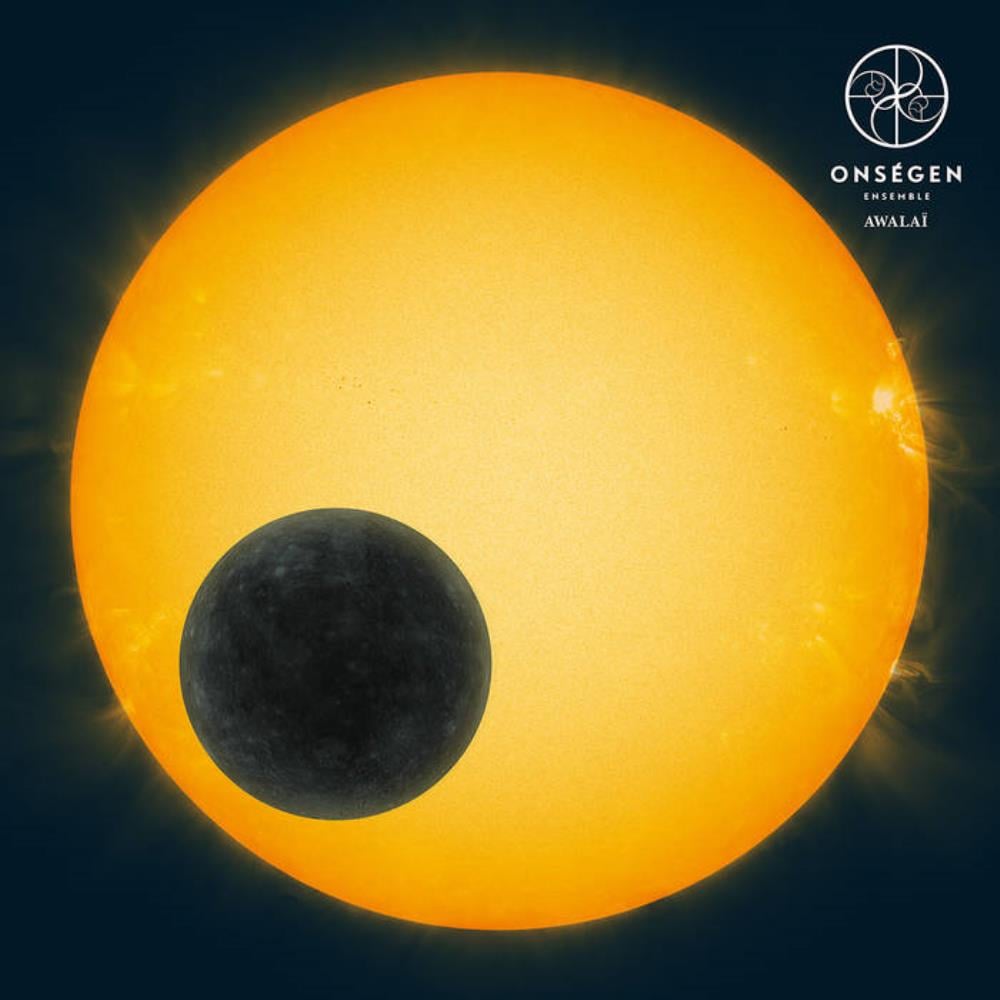
Onségen Ensemble - Awalaï (2016)
The debut album from this band from Finland.
The band is a trio with a lineup of bass, guitars, keyboards, drums and some vocals.
Onsegen Ensemble released a couple of EPs ten years ago and then disappeared. Then they shows up again with this full length album.
Most of the album consists of those two EPs and does not contains much news if you have those two EPs.
Onsegen Ensemble does heavy, heavy psych with a lot of space and garage rock influences. As sweet and short as that.
There is a lot of guitar walls here and it feels like the listener is walking through a room of guitars - blindfolded. Various disharmonic sounds is the result of a tour like that.
But this album is not chaos. It is just really heavy with lots of heavy guitars. And there is a lot of good riffs and hooks here. There is a lot of good moods on this forty odd minutes long album too.
The vocals works as sound effects and the bass and drums is howling around in the background.
This is a good old style dirty heavy space rock album and it is a good one too. Check out this album.
3 points
Sunday, 19 November 2017
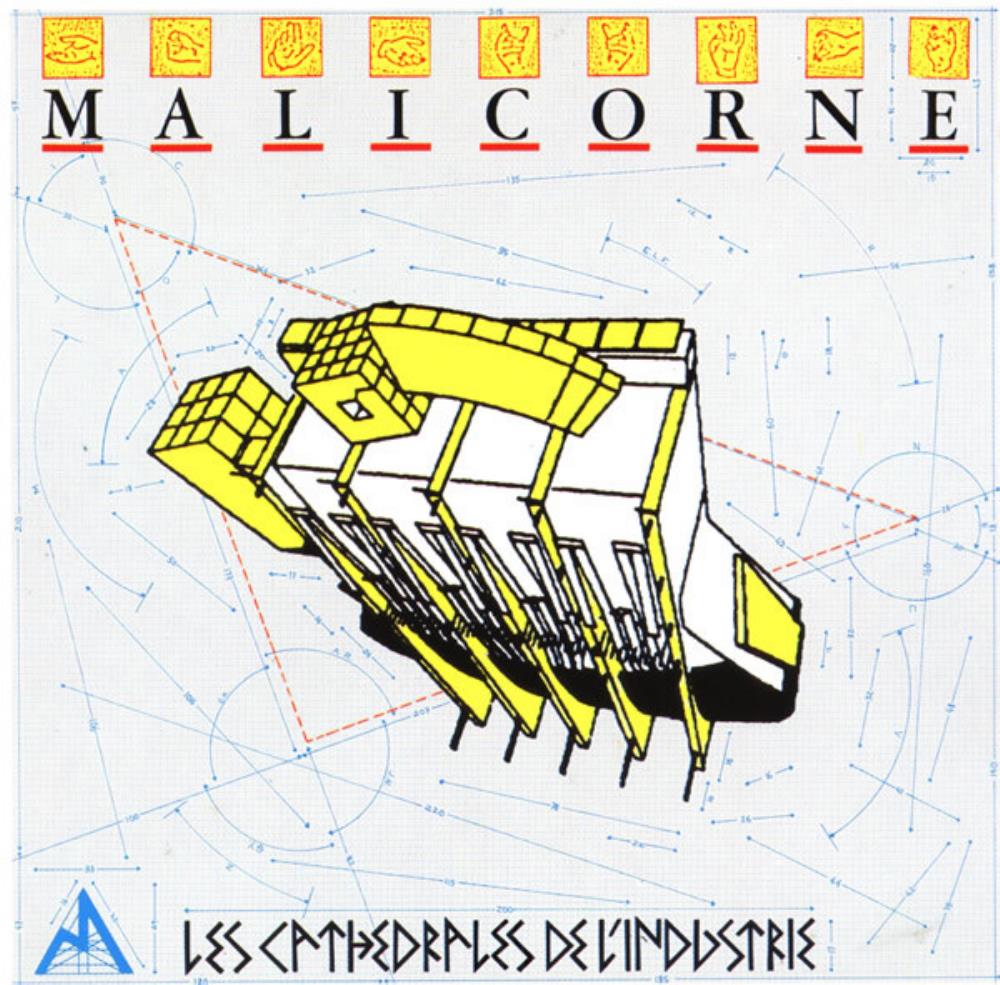
Malicorne - Les Cathédrales De L'Industrie (1986)
The ninth and final album from this French band.
Malicorne was a quintet on this album with a lineup of hurdy gurdy, mandocello, harmonica, guitars, bass, keyboards, percussion, crumhorn, mandolin, violin, drums and vocals. Both male and female vocals from Mr and Mrs Yacoub, the founders of this band.
The band also had some help from guest musicians providing tin flutes, uillean pipes, programming and bagpipes.
Their previous album, the 1981 Balancoire En Feu saw the band begin to strip down their complex sound and instrumentations. This was what everyone was doing in the 1980s and Malicorne just followed that trend.
This album also follows that trend. The music and sound is more complex than on Balancoire En Feu. But not as complex as their 1970s albums.
There are also some plastic feel over some of their songs. Songs which is more easier and more pop focused than on their 1970s albums.
There are even some attempts of embracing the Depeche Mode like electronica on a couple of the songs here. Terrible, horrible, terrible.
At the best, this is a good to very good album. But it also has it's really bad sides. This album is not their finest time and album. It is still a decent to good album.
2.5 points
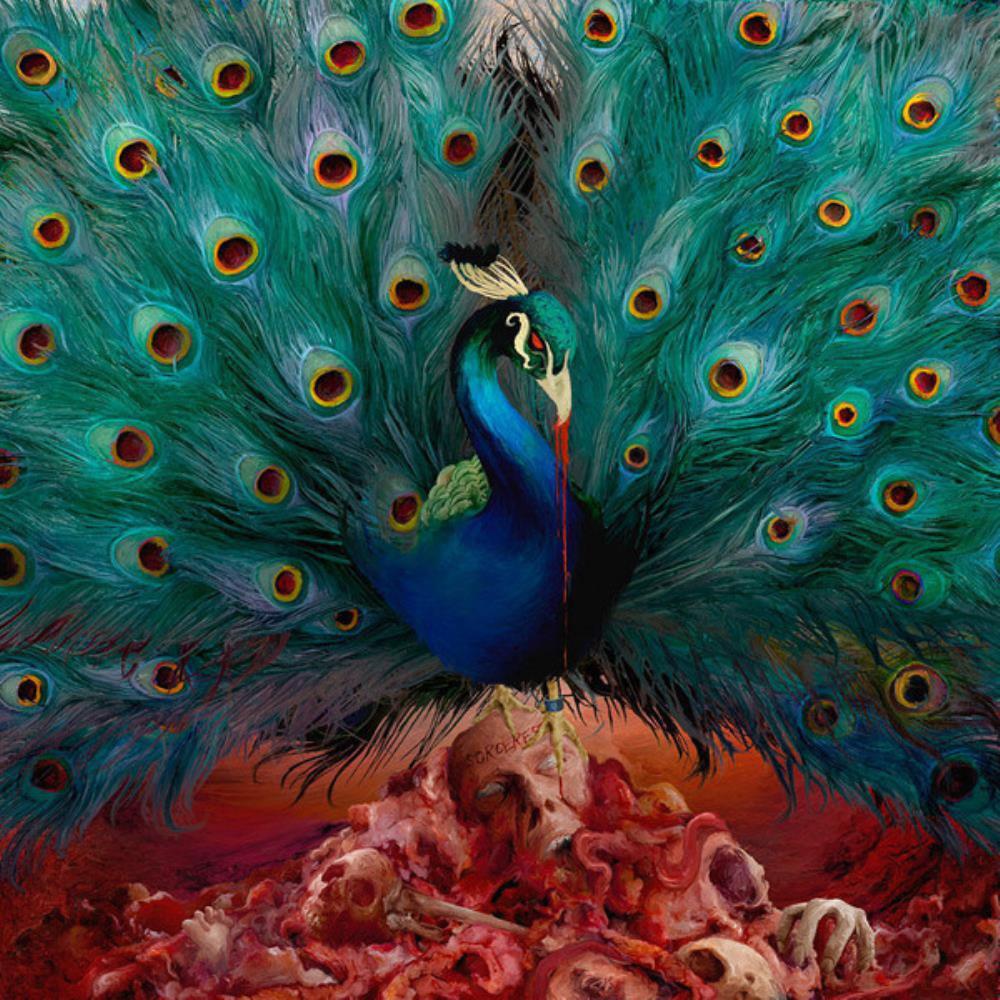
Opeth - Sorceress (2016)
The 12th album from this Swedish band.
Opeth was a quintet on this album with a lineup of bass, drums, guitars, harpsicord, mook, mellotron, grand piano, organ and vocals.
They had help from some strings and some spoken words too.
I have reviewed their albums both in this blog and in # 1 of this blog for the last years and have found a band who has changed from being a good death metal band to a........ I am not so sure. But you can read my reviews of their album somewhere else in this blog and in # 1 of this blog.
Which Opeth do I prefer ? I find death metal dull now and do not listen to death metal at all. On the other hand, I am not so sure about the new prog rock version of Opeth either.
In short; Opeth has split my opinion right down the middle and I am not really sure what I mean about them.
Sorceress is an album where the band expands on their previous album Pale Communion. They take their music deeper into progressive music. The music here is more dynamic than on Pale Communion. Which is a good thing.
There is still parts of their music that does not work at all. Their ambient stuff does not really work at all. The more dynamic stuff is at times very good. But there is not enough of it.
This is barely a good album from a band still on a progressive journey. I wonder where that journey will take them. Only Opeth knows the answer.
3 points
Saturday, 18 November 2017
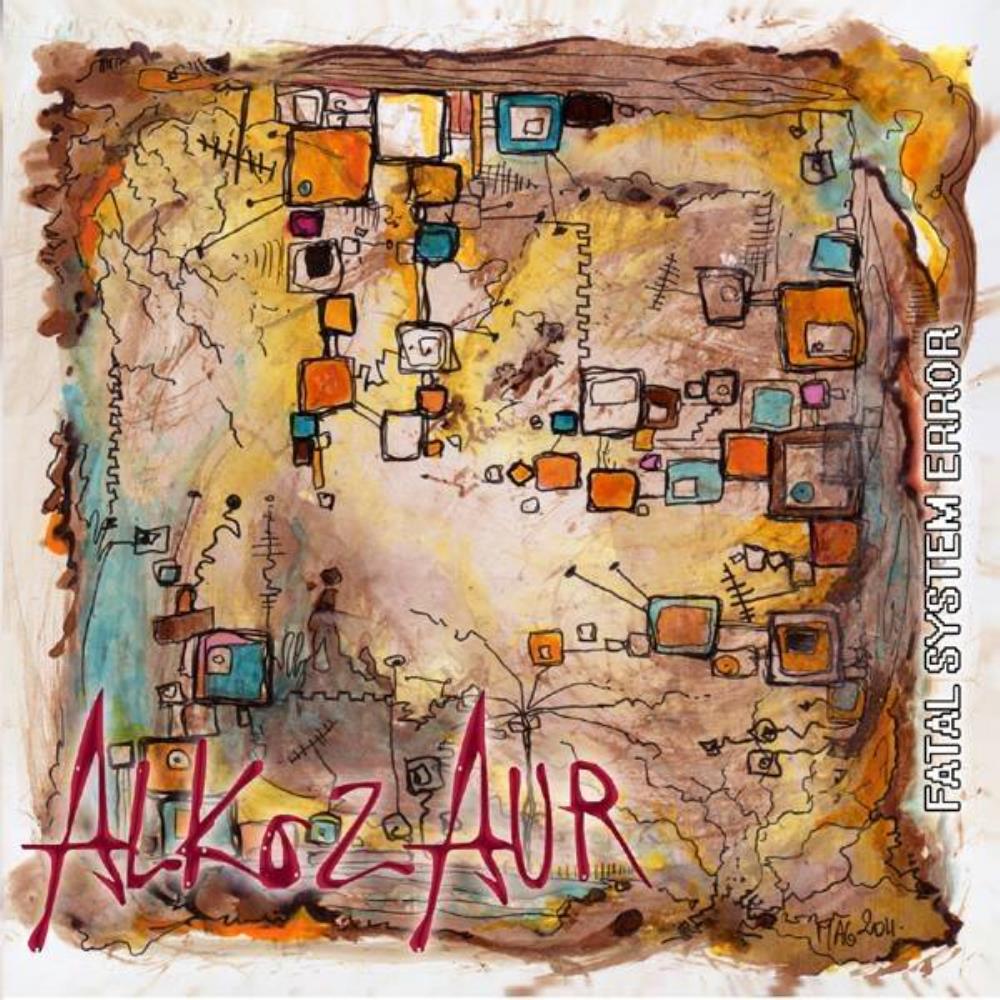
Alkozaur - Fatal System Error (2017)
The second album from this French band.
Alkozaur is a quartet with a lineup of guitars, samples, bass, drums, keyboards and English vocals.#
They have got help from a female vocalist one one track.
I knew there was something familiar with this band when I got this album. But I could not really put my finger on it..... until I visited their ProgArchives page and found out that I had reviewed their 2011 debut album Serum Of Life. You can find my review here. A review from January 2012.
The band probably sees Alkozaur as a hobby and not as a career. Which is a wise thing because it is next to impossible to break through in today's scene. Even in the prog rock scene.
The band offers up an hour full of music in the vein of Marillion with a lot of references to Gentle Giant and King Crimson too. There is also a lot of hints of jazz here too.
The vocals is very good and the band comes up with some eclectic details in some rather melodic songs. There is a lot of spices and strange flavours around in this stew. Even some David Bowie influences.
The end result is a good album. A good art-rock album who really makes the listener sit up and take notice. Check it out.
3 points
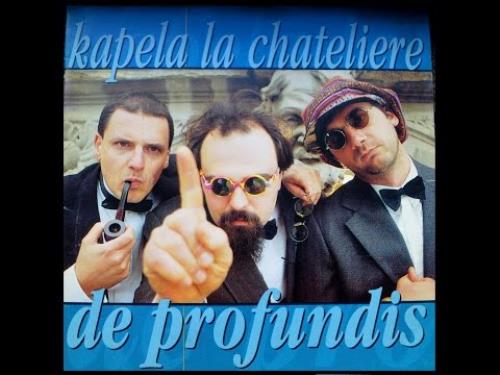
Kapela La Chatelier - De Profundis (1995)
The debut album from this Slovenian band.
Kapela La Chatelier was a quartet on this album with a lineup of trombone, flute, guitars, bass, drums, saxophones, accordion, synths and some vocals.
I first thought this was a French band when I got their second album. Then I discovered it is a band from Slovenia and then got this album. Those are the only two albums they have released. A review of their second album is also coming up next week/can be found somewhere else in this blog.
The band is labeled as an avant-garde/RIO band in ProgArchives and all other places. I would also give them that label.
Their music is a weird mix of jazz, avant-garde in the vein of Stormy Six and Balkan jazz, rock and pop.
That is an eclectic mix and this seventy minutes long album is never going to be loved by those who love easy listening music. These seventy minutes are indeed challenging. But these minutes are still pretty melodic although slightly staccato too.
The music is driven forward by accordions, woodwinds and some distorted guitars. And then you get some vocals too on the top of that.
The result is an album with it's good and decent sides. It is not quite a good album but it is not a bad one either. Fans of avant-garde music should check out this album.
2.5 points
Friday, 17 November 2017
Strawbs - Strawbs (1969)
The debut album from this British band.
Strawbs was a trio on this album with Dave Cousins, Tony Hooper and Ron Chesterman on vocals, guitars and bass. I believe Tony Visconti did the producing here and added a lot of xtra sounds and wizardry. It was one of his first jobs as a producer and he later did a lot of producing for David Bowie.
I am not sure if Strawbs is the first fully recorded album from Strawbs. They recorded an album with the utterly fantastic Sandy Denny and another album before this album, Strawbs, saw the light of day.
I have previously done a couple of reviews of their albums for ProgArchives back in 2009 and these reviews can be found here and here.
It is my intentions to review those Strawbs albums I have got in my collection in the coming months/you will find other reviews of Strawbs albums somewhere else in this blog.
It is something I have been looking forward to for a long time, sinking my ears and brain into the remaining Strawbs albums. I am an admirer of Dave Cousins and Strawbs. Their music, that is.
This 1969 is pure folk rock though and it is pretty basic music too with vocal harmonies, guitars, bass and studio wizardry. The song The Battle was showing the way forward for this band though.
The end result is a decent to good album which still has the ability to please anyone into folk and progressive rock.
2.5 points
Iceberg - Tutankhamon (1975)
The debut album from this Spanish band.
Iceberg was a quintet on this album with a lineup of guitars, saxophone, bass, drums, mellotron, synths, keyboards and Spanish vocals.
The band released four albums between 1975 and 1979. I have reviewed their second and third album for # 1 of this blog. These reviews are here and here.
Those two albums, Coses Nostres and Sentiments, was fusion albums. Very good fusion albums too. Tutankhamon is not a fusion album, though.
Take some Led Zeppelin and add some more hard rock too. Then add some symphonic prog with the mellotron and add a few sprinklings of fusion, soul and Spanish folk too over this stew. Then you get this album.
Tutankhamon is to a large extent a hard rock album with agressive guitars and guitar solos. The vocals is really good and adds quality to this album although I do not speak Spanish.
The end result is a passionate, soulful album which really rocks and moves the listener. It is also a very progressive album with a lot for the brain to digest too. It is a good album which I would recommend. Check it out.
3 points
Kebnekaise - Resa Mot Okänt Mål (1971)
The debut album from this Swedish band.
The band was an eight piece big band with a lineup of guitars, bass, drums, chorus and vocals.
This band is a legendary band in the Swedish scene. Their last album, of of in total nine albums, was released back in 2012. There has been some starts and stops in their career.
I reviewed their second and their fourth album for ProgArchives many, many years ago. The reviews are here and here. I will now review the remaining albums from this band/you will find other reviews of this band somewhere else in this blog.
Their debut album, this one, is an untypical album in their discography. The band was previously a hard rock band under a different name, chose a new band name (Kebnekaise.... after the highest mountain is Sweden) and recorded this album. Hence this noisy racket.
There is a lot of hardrocking vocals and instrumental songs here. There is also a lot of krautrock influences here. And a lot of blues influences too.
This album is half an hour long and it throws quite a punch. It is still a funny and life loving album. It is indeed a playful album. And I would rate it somewhere between decent and good.
2.5 points
Thursday, 16 November 2017
Onevoice - Unexpected Union (2017)
The third album from this US project.
Onevoice is Dan Costello on all instruments and vocals with some help from the guitarist Jason Gold on one track.
I have reviewed his first two albums in # 1 of this blog. You will find these reviews here and here.
Both of those albums got high score by myself. And I know I am not the only one to rate Onevoice very highly.
Don Costello still gives us ethereal symphonic prog-lite. There is a lot of keyboards, organ and piano in the music here. That and his vocals which is also pretty dominating too.
Don Costello very probably knows his strenghts and weaknesses. The music here and on the two previous albums is not playing on his weaknesses. But holy squirrel do he know how to play on his strengths !
Neither is this album outstaying it's welcome with meaningless sounds and misuse of time. Thirty-five minutes is what we get here and not a single wasted note.
This means melodic, ethereal music with lots of very good details. And the music is also very good. It is perhaps not music for the diehard tech and eclectic prog fan out there. But uncomplicated prog also has it's place and it really work on this very good album. Get it from here.
3.5 points
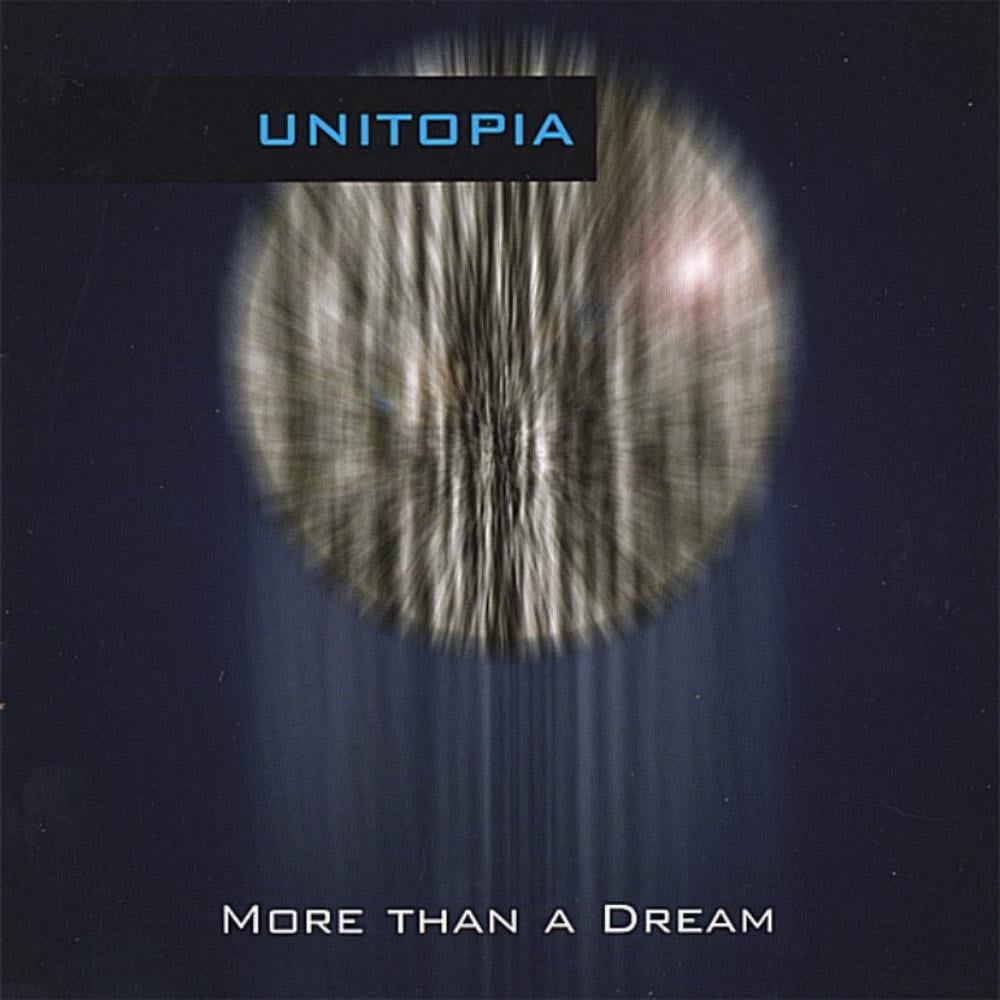
Unitopia - More Than A Dream (2005)
The debut album from this Australian band.
The band was a duo of Sean Timms (keyboards, computers) and Mark Trueack (vocals) at this album.
The duo had help of some other musicians who provided guitars, bass, drums, woodwinds, percussions and more vocals.
This band has so far released four albums and have been around the scene as long as I have been around the scene. And I should have reviewed their albums earlier. I am reviewing their three first albums before the end of the year/you will find my reviews of their next two albums somewhere else in this blog.
The music on this album has it's base in neo-prog. From this base, the music goes off in most other direcions. Pop, rock, prog metal, funk, eclectic prog and some symphonic prog.
Their cool Australian sound shines through too and the vocals from Mark is very good. The music is also good. This is an album which kicks in all directions and has something to offer even for those not into progressive rock. I am a bit lukewarm to this album and awards it a weak Good rating.
3 points
Wednesday, 15 November 2017
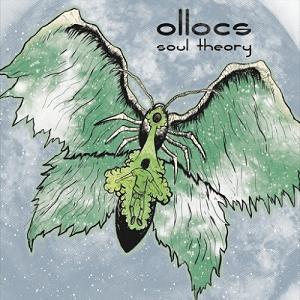
Ollocs - Soul Theory (2016)
The fourth album from this US band.
The band was a quintet on this album with a lineup of keyboards, bass, drums, guitars and vocals.
The band also had some help from guest musicians who provided cello, violin, didgeridoo, tuba, saxophone and vocals.
The band has released their four albums on Bandcamp from where they can be purchased pretty cheap.
The band has been correctly labeled as a heavy prog band. There is also a lot of references to experimental metal and post-punk here. Very much so. And you also get some post-rock here.
The music on this fifty minutes long album is pretty much dominated by half-acoustic guitars and some good vocals. There are also some death metal vocals half way through this album. That kinds of breaks of up the ambience here. Ambience also created by some mellotron like keyboards.
This album is by no means interesting or good. I find it pretty dull and a bit weak in it's contents and quality. I guess I was looking for the shoegaze label to plaster over this album. I have now found this label and is plastering it on this album. Shoegaze is what Ollocs is doing here. And it is not a good album.
2 points
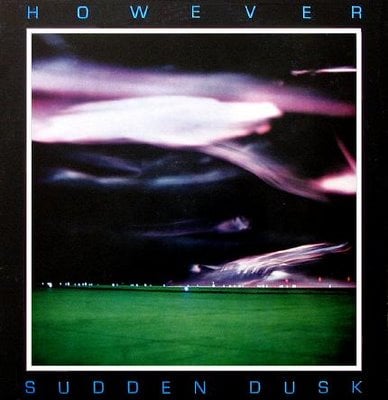
However - Sudden Dusk (1981)
The debut album from this US band.
However was a quartet with a lineup of woodwinds, various bells, drums, bass, clavinet, synths, autoharp, glockenspiel, guitars and vocals.
Various guest musicians provided cello, violin, vibraphone, xylophone, whistling, marimba and woodwinds.
This US band released two albums before they gave up the ghost. I am reviewing their second album later this month too/you will find a review of their second album somewhere else in this blog.
The high praise in ProgArchives and the jazz/fusion label made me purchase these albums. Well, Sudden Dusk is not a jazz/fusion album.
Take the most weird jazzy things from the Canterbury scene and add a lot of Frank Zappa to the mix. Frank Zappa without the vocals, I hasten to add. Add a lot of weird avant-garde jazz too and you get this album.
Something I don't mind at all. This fifty minutes long album though has it's own things going on though. There is a lot of woodwinds and bells here. There is not so much vocals here.
The ten songs here sounds like scetches and not really finished products. The really worked through tracks here are good. The scetches is just frustrating and not so good.
This is an album that I am struggling with. Both to really form an opinion about and to really agree with those who rates it as a great album. It is not a great album. It is merely a decent to good album and a frustrating one too.
2.5 points
Tuesday, 14 November 2017
Olive Mess - Cherdak (2008)
The second and final album from this Latvian band.
Olive Mess was a sextet with a lineup of baroque guitar, archlute, keyboards, guitars, bagpipes, percussion, drums and vocals.
A female opera singer is adding vocals to one of the tracks.
I have yet to hear their 2002 debut album Gramercy. The avant-garde/RIO label has tended to scare me off getting albums like that one. I have had Cherdak, Russian for "attic", for many years before I took the plunge and gave it some listenings and my attention.
Olive Mess was in their early life a King Crimson tribute band. That is something I can clearly hear on this album. King Crimson and Univers Zero is big influences on this album. So much that I would label them as crossover between those two bands.
Which is both a statement of fact/what I hear and a compliment.
The music here is both quirky, ecclectic and avant-garde. It is still a melodic album. The male vocals is dark and baroque. Ditto for the music too. There is a chamber rock feel over this album.
The album is almost an hour long and it is divided on four tracks of similar lenght. The music is a heady mix and pretty esoteric.
This is also a good album which would satisfy anyone into King Crimson and eclectic music. Check it out as this is a bit of a hidden gem too.
3 points
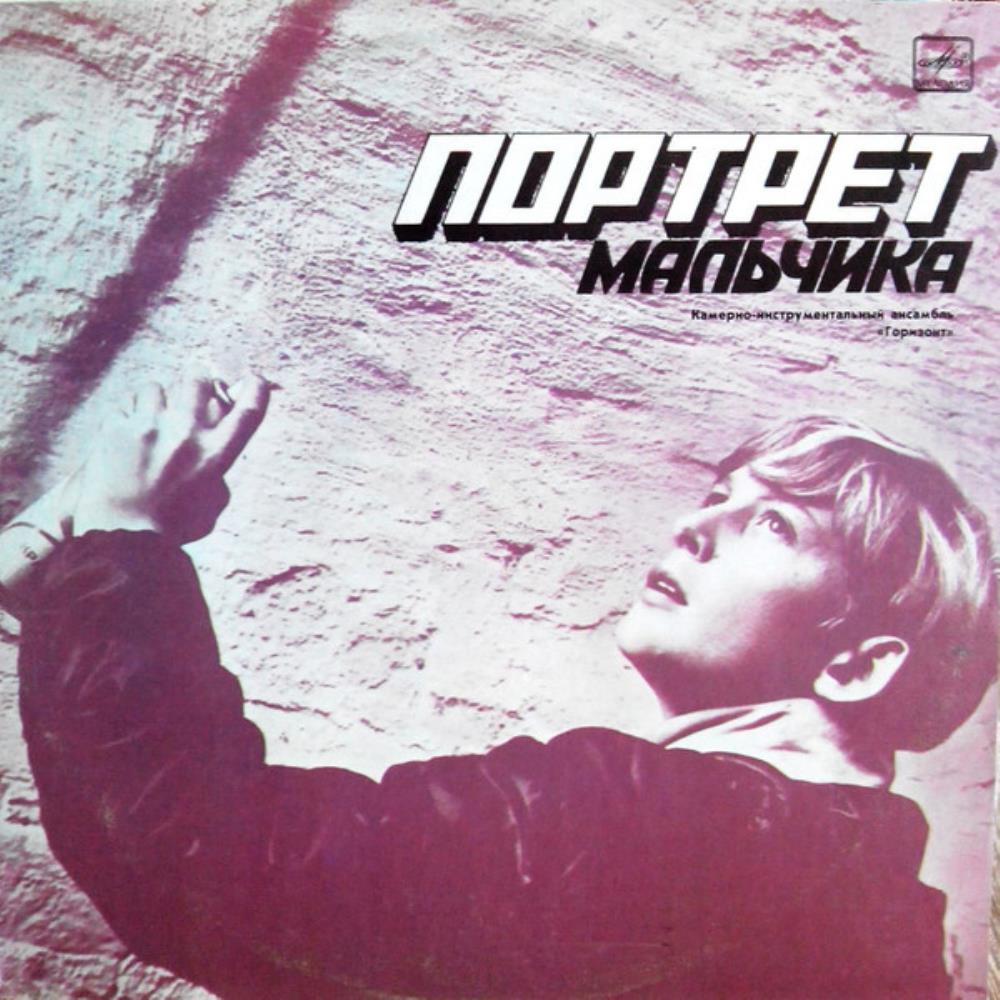
Horizont - The Portrait Of A Boy (1989)
The second and final album from this Russian band.
The band was a sextet on this album wth a lineup of guitars, keyboards, bass, drums, flute and some vocals.
I reviewed their debut album, the 1986 album Summer In Town one week or so ago. It was a good album in the direction of ELP and Yes. You can read my review here.
I was warned by reviews in ProgArchives that The Portrait Of A Boy was an avant-garde/RIO album. So I mentally prepared myself for an onslaught of weirdness....
....Which did not appear. OK, the music here is not really easy-listening. But it is not that esoteric as I was warned it would be.
There is actually a lot of Jean Michel Jarre in this music. Music which also has some influences from the likes of Univers Zero and Present too. But not that much.
There is a lot of airy symphonic stuff on this album. A forty minutes long album. There is a lot of things to really like here and to feel comfortable with. This album is that melodic.
The end result is another good album from this Russian band. An album in the Russian tradition and slightly eccentric. It is also an album from a very underestimated band who deserve a lot more attention. I hope they will get this attention and you should all seek out their two albums.
3 points
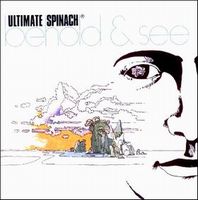
Ultimate Spinach - Behold And See (1968)
The second album from this US band.
Ultimate Spinach was a sextet on this album with a lineup of harmonica, flutes, guitars, drums, bass, sitar, keyboards and vocals. Both male and female vocals.
The band leader Ian Bruce-Douglas split up the band after the debut album and hired a new setup. The only one remaining was the vocalist Barbara Hudson.
Their self-titled debut album, also from 1968, was a decent to good album. You will find my review here.
The band continues in the same vein again. A bit west-coast psych rock combined with mainstream rock. The band was from Boston on the east-coast and they tried to establish an east-coast scene to rival the west-coast scene. The west-coast scene had the likes of Jefferson Airplane and other bands. The east-coast scene had Ultimate Spinach.... Well, the west-coast won that fight on a technical knock out.
This album or indeed Ultimate Spinach is not bad at all. The music here is the typical psych rock from the end of the 1960s. A lot of The Beatles, blues and Jefferson Airplane. A bit soul and stadium rock too. There is a nice mix of female and male vocals here too.
Unfortunate, this is not a good album. It is a decent album though and one to check out if psych rock is your thing.
2 points
Monday, 13 November 2017
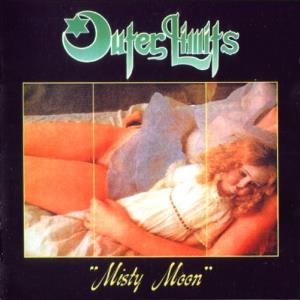
Outer Limits - Misty Moon (1985)
The debut album from this Japanese band.
Outer Limits was a sextet with a lineup of bass, violins, guitars, drums, keyboards and vocals.
Outer Limits has been labeled as Japan's answer to The Enid. Unfortunate, I have yet to discover The Enid although I do collect their albums, but have yet to review them.
I have also collected Outer Limits five albums and reviews of the remaining four albums will follow before the end of the year/you can find my reviews of their other albums somewhere else in this blog.
Outer Limits does symphonic prog with a considerable classical music influence. So much that we are here talking about a crossover between classical music and symphonic prog.
There is still a lot of rock music in their music too. The vocalist sounds like John Wetton and there are also some jazz influences in their music.
There is also a lot of violins and keyboards in this music which is more instrumental than vocals dominated.
The album is just over fifty minutes long and has a lot to offer to everyone into both symphonic prog and eclectic music. The music is very far from being straight forward and it is quite quirky at times.
This is indeed a very good debut album and proves that this band's very good reputation is deserved. I am very much looking forward to let my ears and brain enjoy their four remaining albums.
3.5 points
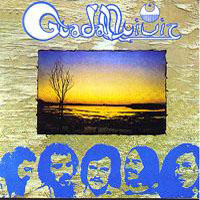
Guadalquivir - Guadalquivir (1978)
The debut album from this Spanish band.
Guadalquivir was a quintet with a lineup of guitars, bass, saxophones, flutes and drums.
The band also had help from a string quartet, hand clappers, piano, percussion and keyboards.
This band released three albums before they gave up the ghost. I will review all of them/you can find reviews of the two other albums somewhere else in this blog.
Guadalquivir has taken their name from a village on the outskirts of Valencia in the south of Spain. That is where the band is from. Which may explain the warmth of their music.
The band plays fusion strongly influenced by flamenco and some Spanish folk music. The flamenco is in most places and is tending to overshadow the fusion here. Well, the fusion is much more jazz than rock music.
The mix of jazz/fusion and flamenco is a very heady mix which has increased the temperature in my freezing cold office by several degrees. My mood has also been changed from rather gloomy to rather sunny.
Besides of being rather sunny, the music on this forty-five minutes long album is also very good. The band really knows what they are doing and the mix of saxophones, acoustic and electric guitars drives this album forward on some really very good tracks. The flutes and hand clapping is also very effective.
This is one of the better Spanish albums and it justifies this band's very good reputation. Check it out.
3.5 points
Subscribe to:
Posts (Atom)
:format(jpeg):mode_rgb():quality(40)/discogs-images/R-4374917-1363197207-2114.jpeg.jpg)